

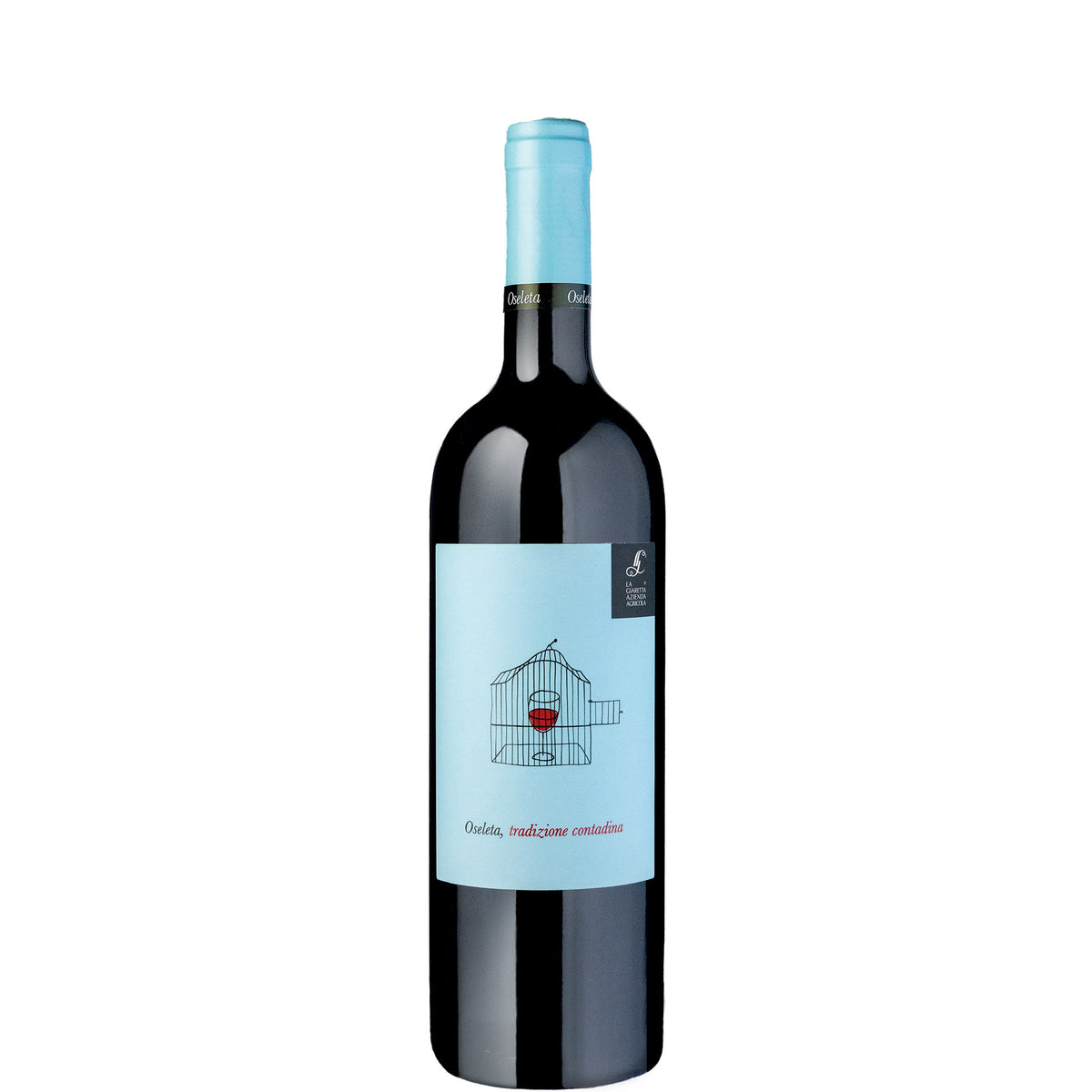
La Giaretta, Oseleta, IGT Rosso Veronese, 2018
La Giaretta, Oseleta, IGT Rosso Veronese, 2018
- 75cl
- 15%
- Red Still
- Oseleta
Couldn't load pickup availability

Optimal drinking window: 2026 - 2034
Oseleta is one of the Veneto's great near-misses — a grape so deeply coloured and tannic that it was largely abandoned in favour of easier varieties, and might have disappeared entirely had a handful of producers not decided it was worth saving. La Giaretta is among those who backed it, and this 2018 bottling makes a compelling case for why. It's dense and structured in the way that only a grape with this much skin contact and extraction can be, with dark cherry, plum, and dried herbs underpinned by a firm, savoury backbone that demands food and rewards patience.
We'd give it another year or two if you can hold off, though a long decant will soften the edges nicely right now. This is a wine that suits the table rather than the sofa — braised short rib, lamb shoulder, aged pecorino — and one that reminds you why the Veneto has more to offer than Pinot Grigio and Prosecco.
The 2018 is drinking now but is still in its primary phase, with fruit that is concentrated and a tannic structure that hasn't yet fully integrated. Over the next two to three years, the tannins should knit together and the fruit will begin to shift from fresh-picked to more dried and complex — dried cherry, leather, tobacco — which is where Oseleta tends to find its best expression. Around 2028-2030 is likely to be the sweet spot, where structure and fruit are in genuine balance.
Tasting Notes
AppearanceVery deep ruby-purple, almost opaque at the centre, with a narrow garnet rim — Oseleta's famously intense pigmentation on full display.
NoseDark cherry, dried plum, and a streak of iron that gives it real presence. Wild thyme and dried herbs drift underneath, with faint oak spice from the large-cask ageing. It's brooding rather than open, but it rewards time in the glass.
PalateDense and concentrated, with firm, grainy tannins that are the grape's calling card. Black cherry and plum fruit hold firm against the structure, while bright acidity keeps the whole thing from feeling heavy. There's a savoury, almost mineral quality on the mid-palate that lifts it.
FinishLong, dry, and savoury, with tannin grip that lingers and a faint herbal note on the very end.
Overall impressionA serious, food-first wine from a grape that has earned its revival — structured, distinctive, and not remotely interested in being easy.
Food Pairings
In the Valpolicella and Verona area, a wine with this much structure would be set down alongside something that can hold its own. Think pastissada de caval — the traditional horse-meat stew braised long and slow with wine and spices that has fed Veronese families for centuries. Bigoli con l'anatra, a thick pasta with duck ragù, is another natural partner, as is bollito misto served with pearà, the peppery bread and bone-marrow sauce that is about as Veronese as it gets. Aged Monte Veronese cheese, firm and nutty, works brilliantly too. None of these are light, and none should be.
We think this wine would go well with
Serve at around 17-18°C — too warm and the tannins feel clumsy, too cool and the fruit closes up. Decanting is not optional here: give it at least an hour, ideally two, to open up and soften the grip. A large-bowled red Burgundy or Barolo-style glass will give the wine room to breathe and let the more delicate herbal notes come forward rather than being swamped by the structure.
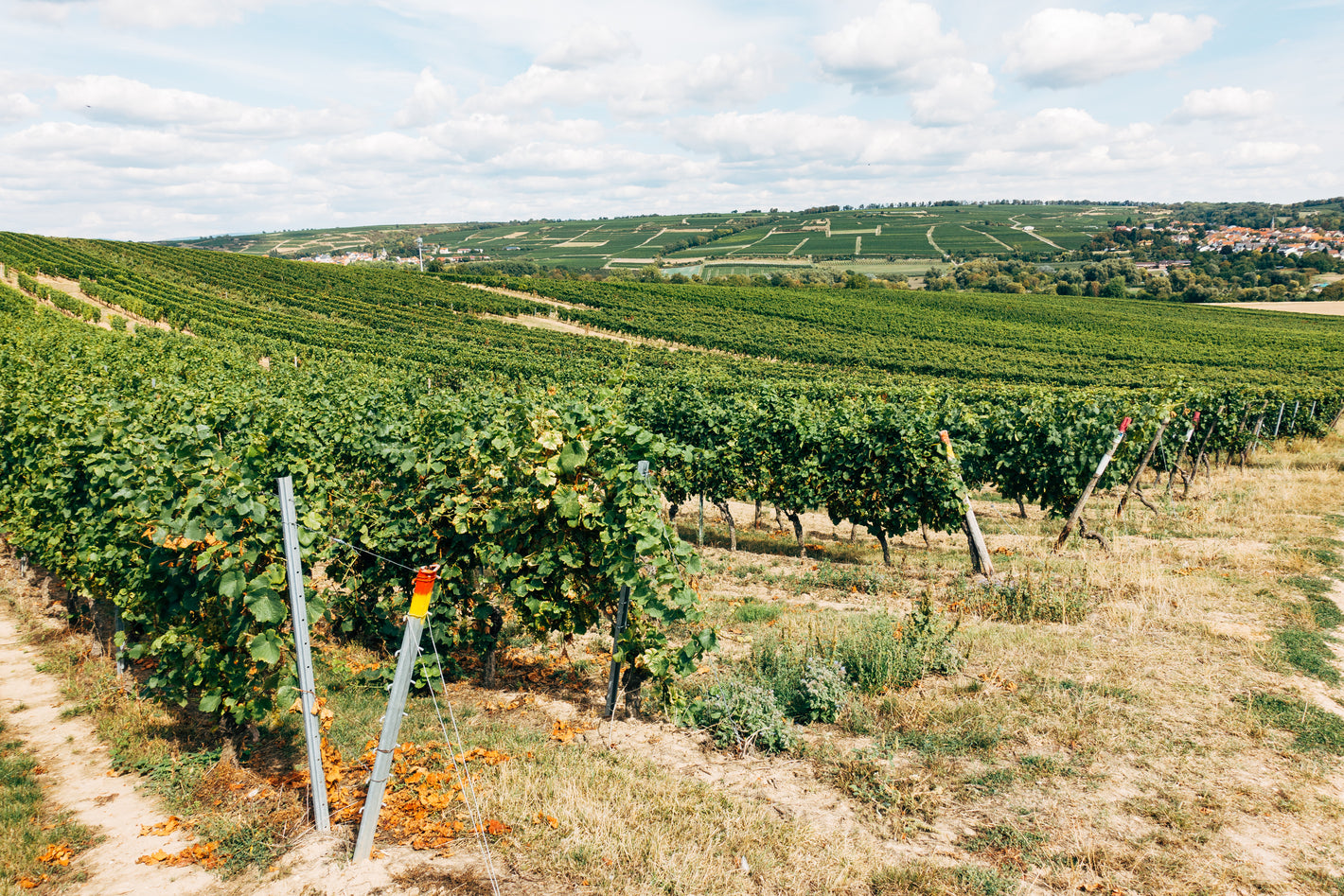
The vineyards around Valpolicella sit on a mix of limestone, clay, and alluvial soils in the foothills north-west of Verona, typically at altitudes between 150 and 400 metres. The combination of chalky subsoils and diurnal temperature variation helps preserve acidity, which is essential in a grape as dense and extracted as Oseleta. The Classico zone's older terraced vineyards, known as garganega country historically, have proven well-suited to varieties that need long, cool ripening to keep their structure in check.
This wine is bottled as IGT Rosso Veronese rather than under one of the local DOC designations, which tells you something about the grape: Oseleta is permitted in Valpolicella and Amarone blends, but standalone varietal bottlings don't fit neatly within the DOC framework. The IGT designation gives producers the freedom to vinify it as a single variety without bureaucratic compromise. It sits outside the hierarchy but not outside the tradition — in a region where Amarone commands the most attention, an IGT label on a serious indigenous variety is often a sign of ambition rather than a step down.
FAQs
What does this wine taste like?
Dense and structured, with dark cherry, dried plum, and wild herbs over a firm, savoury tannic backbone. Bright acidity keeps it lively. It's a food wine through and through — not designed to be sipped on its own.
What is Oseleta and why is it unusual?
Oseleta is an indigenous Veneto grape that was nearly extinct by the late twentieth century, largely because it produces small yields of intensely pigmented, tannic wine that is harder to work with than more commercial varieties. A revival effort over the past few decades has saved it, and it's now permitted in Valpolicella and Amarone blends — though standalone bottlings like this one remain rare and worth seeking out.
When should I drink this wine?
It's open for business now with a good decant, but it will reward another two to four years of patience. We'd aim for 2028-2030 as the prime window, with the wine staying in good shape until around 2034.
What food should I serve with it?
Anything slow-cooked and robust: braised beef short rib, lamb shoulder, duck ragù, or game. Aged hard cheeses like pecorino or Monte Veronese work well too. This is not a wine for delicate food.
Do I need to decant it?
Yes, and generously. At least an hour, preferably two. The tannins are firm and the wine is still relatively young — decanting makes a real difference to how open and approachable it feels at the table.
Is it worth cellaring?
If you have the patience, yes. The structure is there to support further ageing, and the wine will develop more complexity over the next few years. Just don't push it past 2034 — Oseleta's fruit fades before its tannins do, and you want to catch it while both are in balance.



What are you looking for tonight? Tell me the occasion, a grape, a region — or just try a suggestion below.
Your recommendations will appear here.
-
-
Speak to one of our Wine Gurus
Speak to a Wine GuruWith years of experience, our team can help you with all your wine buying and selling needs