
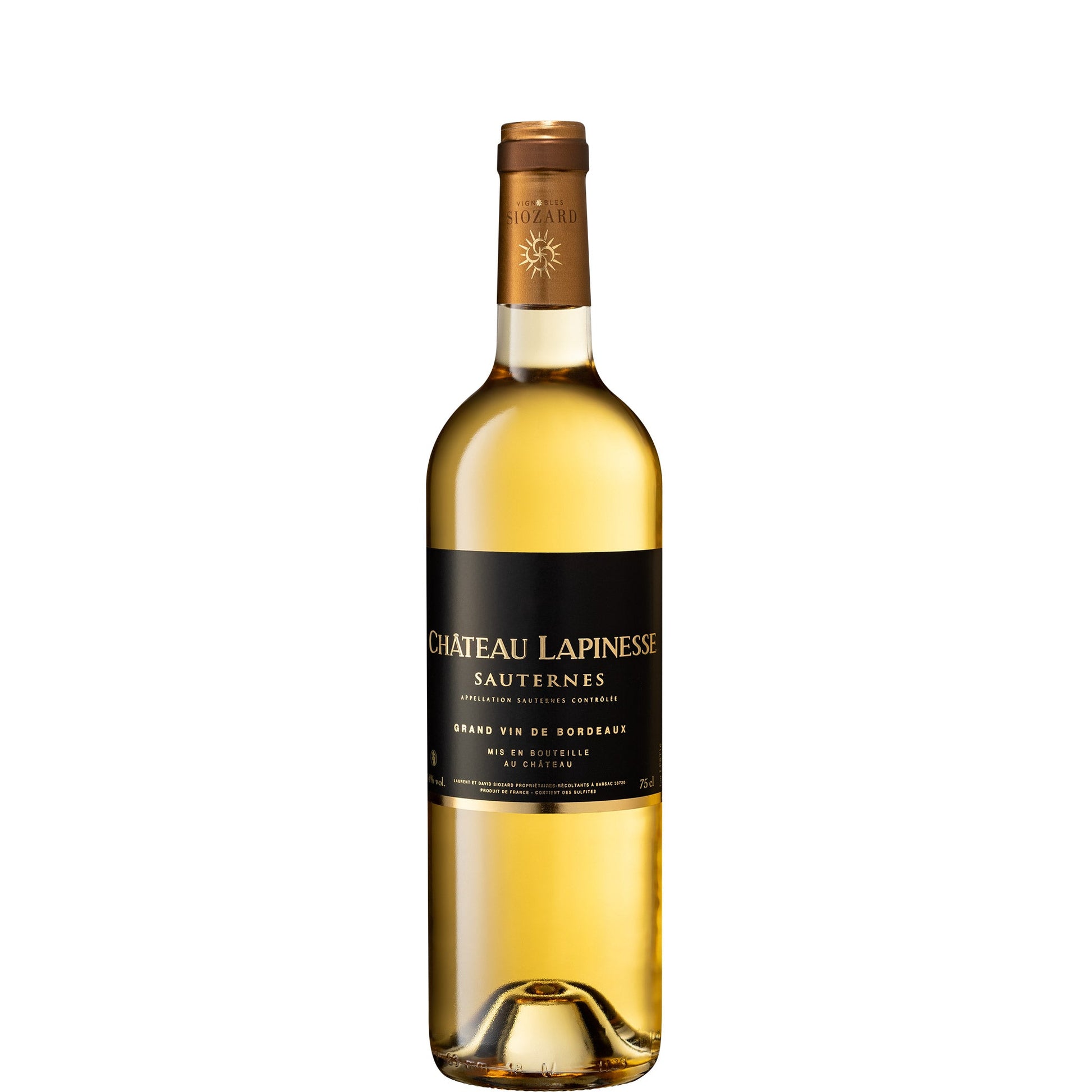
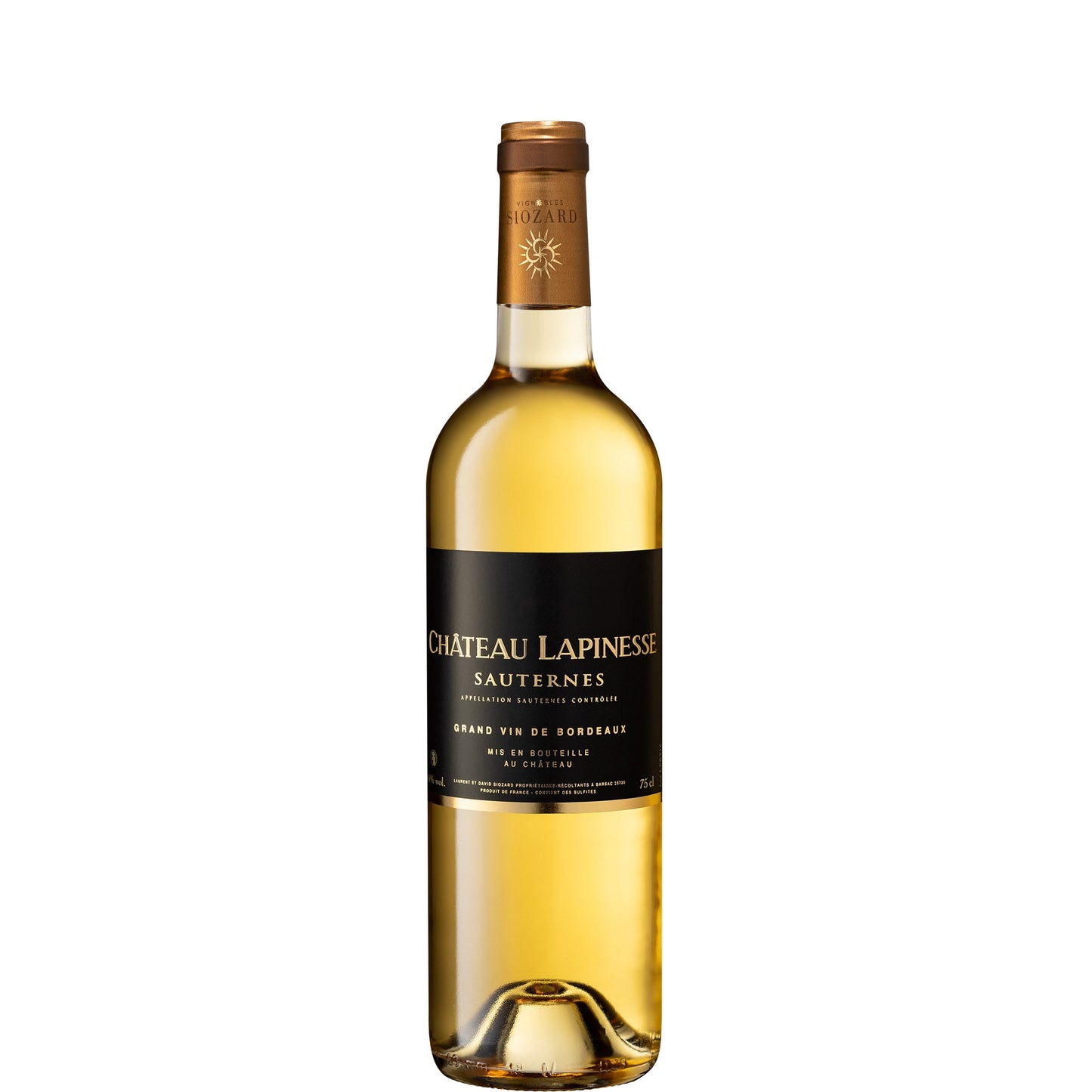
Vignobles Siozard, Château Lapinesse Sauternes, 2018
Vignobles Siozard, Château Lapinesse Sauternes, 2018
- 75cl
- Dessert
- Sémillon
Couldn't load pickup availability

Optimal drinking window: 2026 - 2038
About Vignobles Siozard, Château Lapinesse Sauternes, 2018
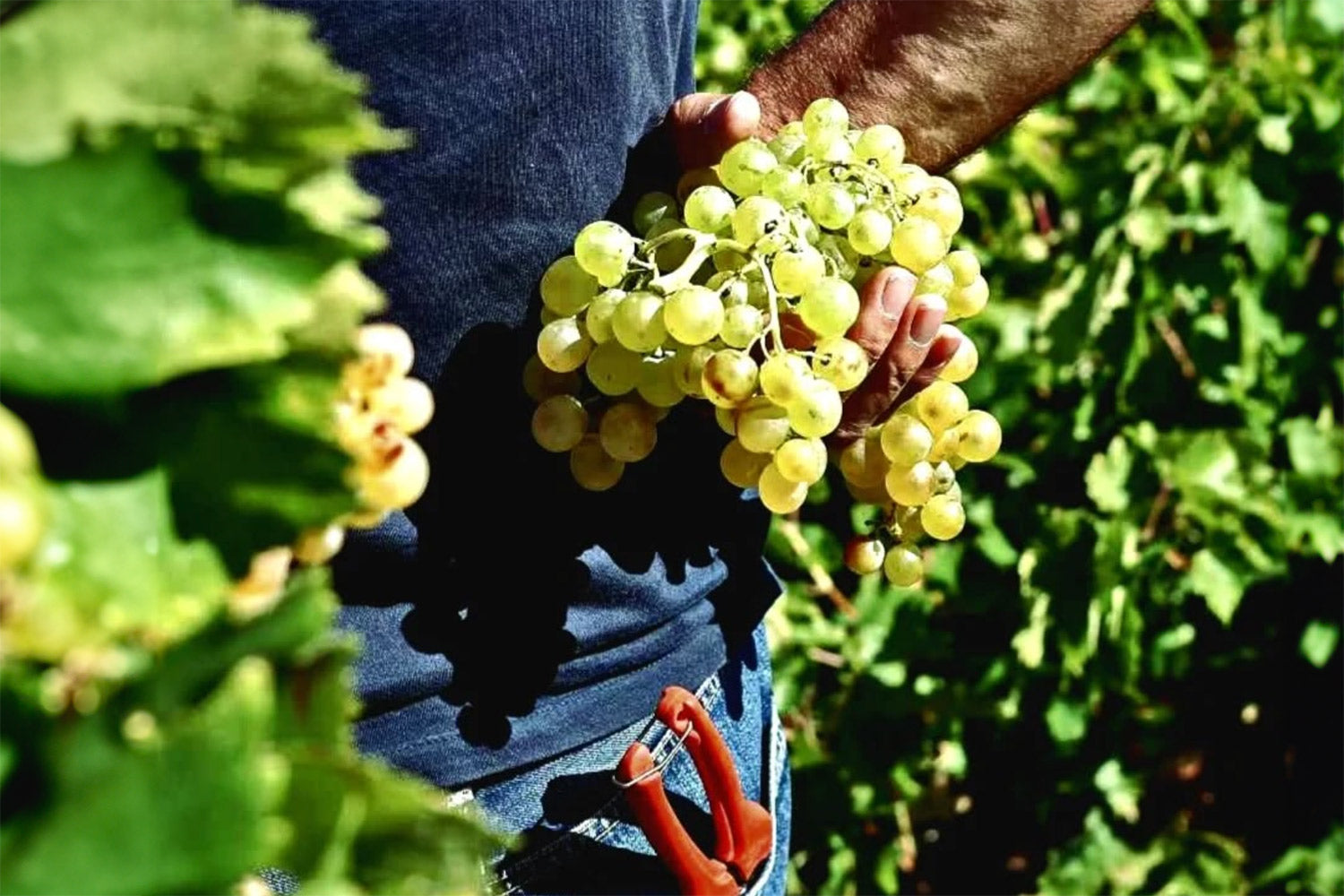
This Sauternes from the expert minds at Siozard is hand-harvested and pressed at their sustainable vineyard on the left bank of Bordeaux. Bright gold in colour with aromas of white jasmine and candied fruits, this is a delicate and sweet wine boasting ripe melon, quince and summer stone fruit flavour.
"Lovely rich fruit on the nose – lemon sherbert, yuzu and orange rind – leading to a ripe, beautifully textured palate that fills the mouth. This is a fabulous dessert wine, one to enjoy after a special meal with loved ones."
Dylan, Wine Guru
Enjoy with a punchy Roquefort or salty English stilton for the perfect rounded bite.
At eight years old, the 2018 Lapinesse is in an agreeable early phase — the primary fruit is still vivid and expressive, and it drinks very well right now. Over the next three to five years, expect the jasmine and stone fruit to deepen into more honeyed, marmalade-like notes as the botrytis character integrates further. By the early 2030s it should be hitting a lovely secondary stride, with added complexity and a rounder, more unified texture. We'd expect it to hold well until around 2035 to 2038, after which the freshness that gives it its shape may begin to soften and fade.
Tasting Notes
AppearanceBright, luminous gold with good clarity and a viscous, slow-moving rim.
NoseWhite jasmine and orange blossom lead, followed by candied citrus peel and ripe apricot. There's a gentle honeyed note underneath — botrytis doing its quiet work — without tipping into heaviness.
PalateLush and sweet but not cloying, with ripe melon, quince paste, and white peach carrying the mid-palate. The acidity is doing its job, keeping things lifted and giving the wine its shape.
FinishGently persistent, with honeyed stone fruit and a whisper of candied ginger on the close.
Overall impressionA well-made, generous Sauternes from a strong vintage that rewards both early drinking and a few more years in the cellar.
Food Pairings
In Bordeaux, Sauternes has always had a particular affinity with foie gras — the richness of the duck liver and the honeyed acidity of the wine finding an almost unfair harmony together. Locals also serve it alongside Roquefort or other blue-veined cheeses, where the salt cuts through the sweetness to spectacular effect. Further into the meal, it pairs well with fruit-based desserts — a tarte tatin, a peach clafoutis, or anything involving apricots or almonds. Don't overlook it with spiced dishes either: a gently curried langoustine or a Moroccan-influenced chicken pastilla are both excellent matches.
We think this wine would go well with
Serve well chilled, between 8 and 10°C — too warm and the sweetness becomes heavy; too cold and you lose the aromatic lift. No need to decant. A tulip-shaped white wine glass works well, concentrating the floral aromas without letting them dissipate too quickly. Once opened, it will keep happily in the fridge for three to four days.
The vineyards of Château Lapinesse sit on the left bank of the Ciron river in the Sauternes appellation, where the confluence of the cool Ciron and the warmer Garonne creates the autumn mists that are essential for the development of Botrytis cinerea — noble rot. Soils here are a mix of clay, limestone, and gravel, which retain moisture while draining well enough to concentrate sugars in the grapes. This combination of foggy mornings, warm afternoons, and well-drained soils is precisely what makes Sauternes the world's most celebrated sweet wine region.
Sauternes is a small AOC within Bordeaux, covering around 1,600 hectares across five communes south of the city. It is defined by the production of sweet white wines made from botrytis-affected Sémillon, Sauvignon Blanc, and Muscadelle — grapes left on the vine long after the rest of Bordeaux has been harvested, picked berry by berry in successive tries through the autumn. The appellation sits adjacent to Barsac, which shares the same production method but can label its wines as either Barsac or Sauternes. Yields are tiny, labour is intensive, and the resulting wines are among the most age-worthy whites produced anywhere in the world.
The 2018 growing season in Bordeaux delivered exactly what vignerons pray for: a long, warm summer that ripened both Cabernet Sauvignon and Merlot to perfection without the punishing heat that can shut down the vines. After a wet spring that had everyone fretting about mildew, the weather gods smiled with consistent sunshine and just enough rain to keep the vines happy. The harvest stretched into October under glorious conditions, allowing producers to pick each parcel at optimal ripeness rather than racing against the clock.
What emerged from the cellars shows Bordeaux at its most seductive: wines with immediate charm that don't sacrifice depth or aging potential. The Left Bank Cabernets have that lovely cassis purity we adore, while Right Bank Merlots are plush and welcoming without being flabby. These aren't the austere, intellectual wines that demand decades of patience, but rather bottles that reward both early drinking and cellaring. Most are singing beautifully now, though the best will happily evolve until 2035 and beyond.
FAQs
What does Château Lapinesse Sauternes 2018 taste like?
It's lush and honeyed with ripe melon, quince, white peach, and white jasmine, all balanced by the bright natural acidity that good Sauternes depends on. Rich without being heavy, and lifted enough to drink across a meal rather than just with dessert.
When should I drink this wine?
It's drinking well now and will continue to do so until around 2038. If you want more complexity and a deeper, more integrated character, give it another three to five years in the cellar.
What food should I pair it with?
The classic match is foie gras or a strong blue cheese like Roquefort. It also works brilliantly with fruit-forward desserts — apricot tart, peach clafoutis — or with mildly spiced dishes where the sweetness can play off savoury heat.
How should I serve it?
Serve chilled, between 8 and 10°C. No need to decant — just open, pour, and enjoy. A tulip-shaped white wine glass will give you the best of the floral aromatics.
Is it worth cellaring?
Yes, if you have the patience. The 2018 vintage gave good structure and natural acidity alongside the richness, which means this wine has genuine ageing potential. It'll reward you with more complexity and depth if you can leave it alone until the late 2020s or early 2030s.
Is Sauternes always very sweet?
It is sweet by definition — the botrytis-affected grapes that make it are naturally very high in sugar. But good Sauternes, like this one, balances that sweetness with acidity, which stops it feeling cloying. Think of it less as a dessert wine and more as a wine that happens to be sweet.


What are you looking for tonight? Tell me the occasion, a grape, a region — or just try a suggestion below.
Your recommendations will appear here.
-
-
Speak to one of our Wine Gurus
Speak to a Wine GuruWith years of experience, our team can help you with all your wine buying and selling needs