

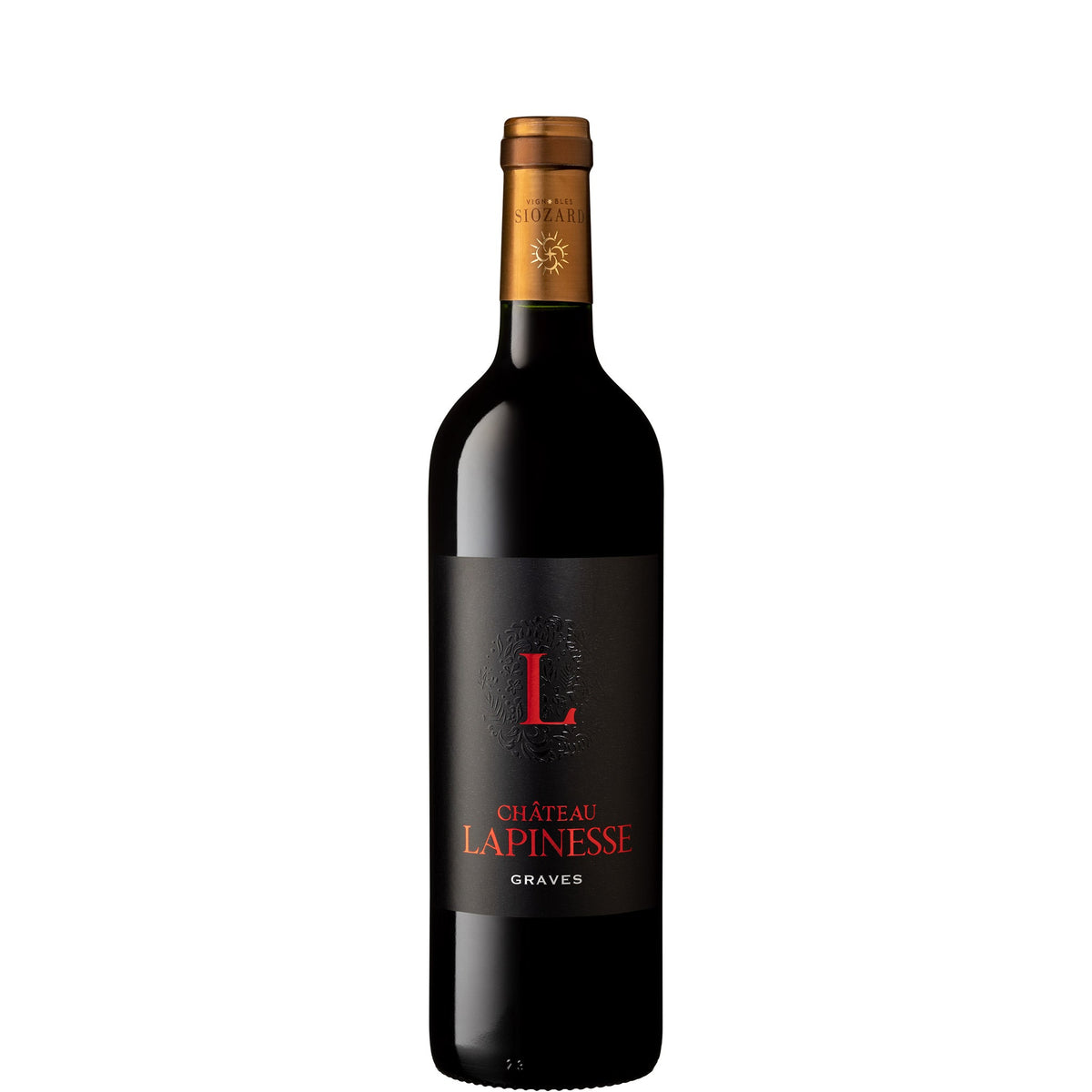
Vignobles Siozard, Château Lapinesse Cuvée Prestige Rogue, 2019
Vignobles Siozard, Château Lapinesse Cuvée Prestige Rogue, 2019
- 75cl
- 13.5%
- Red Still
- Cabernet Sauvignon, Merlot
Couldn't load pickup availability

Optimal drinking window: Now - 2029
About Vignobles Siozard, Château Lapinesse Cuvée Prestige Rogue, 2019
From the expert minds at Siozard this is a savoury and classic blend of Cabernet Sauvignon and Merlot from the left bank of Bordeaux; characterised by the gravel soils where the grapes grow, an elegant expression of the terroir.
Perfect to drink now, it is mildly oaked with an elegant lightness and delicate dark fruit flavour.
Enjoy with a great steak or juicy grilled meat – the ideal midweek treat.
The 2019 vintage is drinking well right now, and the stainless-steel ageing means it was always designed to be enjoyed sooner rather than later. The primary blackberry and blackcurrant fruit is at its most vivid through 2027, after which the wine may begin to soften and lose some of that freshness that makes it so appealing. Don't expect significant secondary complexity to develop — this is a wine about clarity and fruit, not evolution. Drink it up by 2029 to catch it at its best.
What the critics say:
"A blend of 60 per cent Merlot and 40 per cent Cabernet Sauvignon aged in stainless steel for 12 months to retain freshness. It’s surprisingly pale in colour and light in the mouth but has fine, subtle blackberry/blackcurrant fruit that grows and then lingers teasingly long after you swallow."
Tasting Notes
AppearancePale ruby, lighter than you might expect from a Bordeaux blend, with a clear, translucent rim.
NoseQuiet and precise rather than expressive — blackberry and blackcurrant sit at the centre, clean and fresh. There's a subtle lift that comes from the stainless-steel ageing, no oak to soften or obscure.
PalateLight-bodied but not thin, with fine, gentle tannins and that same dark fruit carrying through from the nose. The Merlot brings a little softness; the Cabernet Sauvignon keeps it structured and focused.
FinishThe fruit lingers longer than the wine's weight would suggest — blackcurrant staying quietly insistent well after you swallow.
Overall impressionA fresh, precise, and genuinely approachable Bordeaux that earns its place at the weeknight table.
Food Pairings
In the Bordeaux region, a wine like this would find its natural home alongside entrecôte bordelaise — rib steak served with a classic red wine and shallot sauce — which mirrors the wine's dark fruit and savoury edge without overwhelming its lighter frame. Locals might also reach for duck confit, the fat of which the wine's modest tannins cut through neatly. A simple roast lamb with herbs de Provence would work just as well, keeping things unfussy. On a more casual evening, grilled merguez sausages or a charcuterie board of cured Basque meats would be entirely at home alongside this.
We think this wine would go well with
Serve at around 16°C — cooler than you might think, which keeps the freshness in the fruit alive and the wine feeling lively rather than flat. There's no need to decant; this is built for immediate enjoyment and the fruit is at its most appealing poured straight from the bottle. A standard Bordeaux-shaped glass will do the job perfectly, giving the wine enough room to open without losing its delicate aromatic lift.
The Château Lapinesse vineyards sit on the gravelly soils characteristic of the Left Bank of Bordeaux, where free-draining gravel over clay and limestone subsoils encourages vines to root deeply. Gravel warms quickly in the sun and drains efficiently, producing grapes with concentrated flavour and natural freshness rather than heavy extraction. This is the same foundational geology that underpins the great communes to the north, and even at this level it gives the wine its precise, restrained character.
Bordeaux AC is the broad entry-level appellation covering the entire Gironde department, allowing red blends from Merlot, Cabernet Sauvignon, Cabernet Franc, and a handful of other permitted varieties. It lacks the strict geographical specificity of the famous communes — Pauillac, Saint-Julien, Margaux — but that breadth means it can draw from excellent individual sites across both banks. At its best, as here, Bordeaux AC offers genuine regional character at an accessible price point, which its more celebrated neighbours simply cannot match.
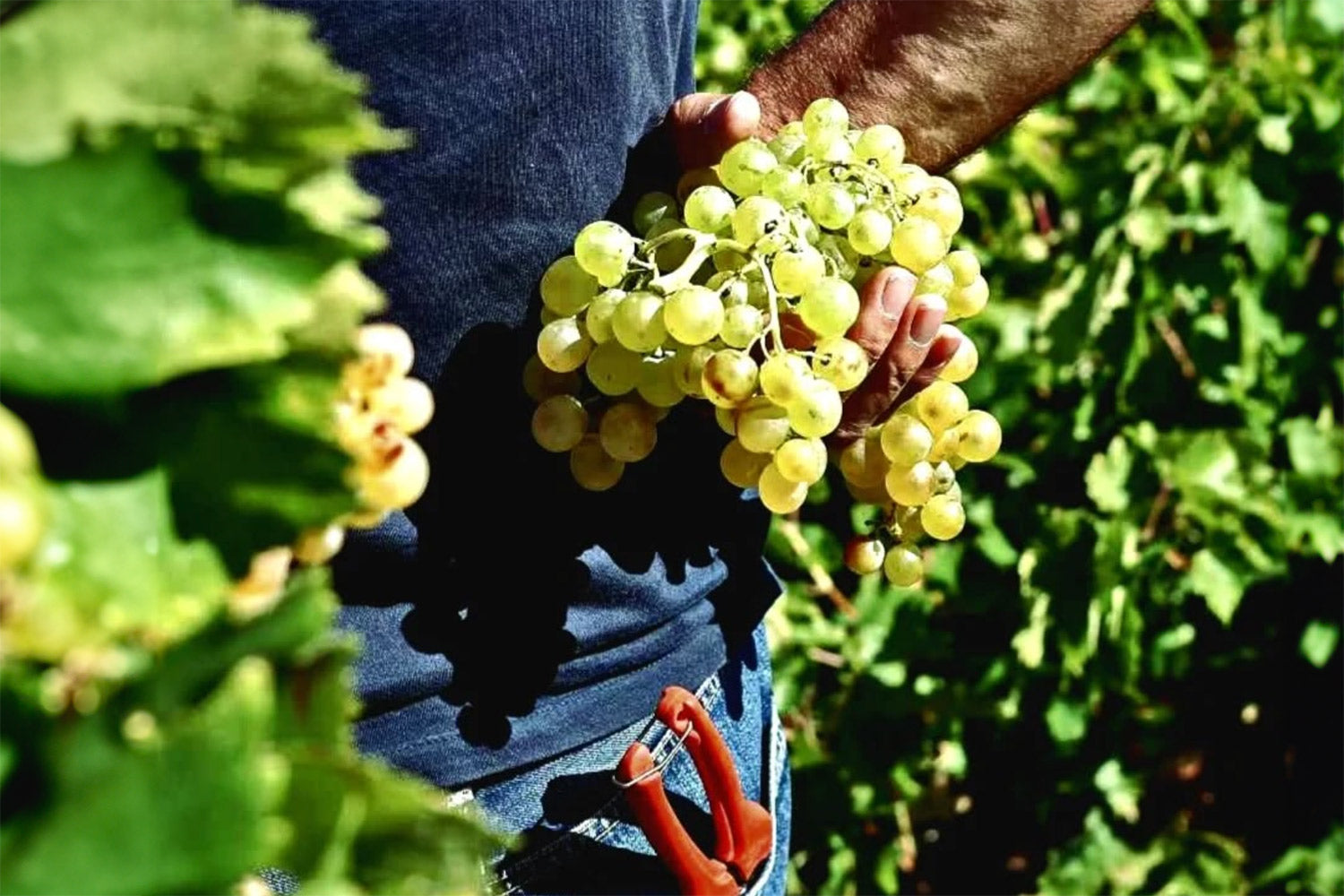
The 2019 growing season in Bordeaux delivered exactly what vignerons dream about: a textbook combination of winter rain to replenish the soils, a warm spring that encouraged even budbreak, and crucially, a bone-dry summer that stressed the vines just enough without cooking them. September brought the perfect finale with warm days and cool nights, allowing grapes to ripen slowly while retaining their natural acidity. Harvest began in mid-September under ideal conditions, with pickers working through October to capture each variety at optimal ripeness.
What emerged from the cellars shows all the hallmarks of a properly made vintage: the Merlot displays that gorgeous plush fruit character without any jammy excess, while Cabernet Sauvignon achieved full phenolic ripeness with structured tannins that feel ripe rather than harsh. We find these wines have a lovely immediacy about them—they're not the brooding, backward style that demands decades of patience, but rather wines with enough backbone to age gracefully while offering genuine pleasure from release. Most are drinking beautifully now and will continue to develop over the next 15-20 years, making this one of those vintages that works for both early drinkers and patient cellars.
FAQs
What does this wine taste like?
It's lighter and fresher than many Bordeaux reds — pale in colour, with precise blackberry and blackcurrant fruit, fine tannins, and a finish that lingers longer than its weight implies. Twelve months in stainless steel rather than oak keeps everything clean and direct.
When should I drink it?
Now is the right answer. It's drinking well from 2024 and will stay at its best until around 2029. This isn't a wine for the cellar — it's built for the table, and the sooner the better.
What food works best with it?
Anything off the grill: steak, lamb chops, merguez. It's also good alongside duck confit or a solid charcuterie board. The savoury structure and light tannins mean it won't fight rich, meaty dishes.
Does it need decanting?
No. Pour it straight from the bottle at around 16°C and it's ready to go. Decanting isn't going to improve it, and might actually cost you some of that fresh, vivid fruit.
Is it worth cellaring?
Not especially. It was made with freshness in mind and will be at its most pleasurable drunk within the next three years. Beyond 2029 you risk the fruit fading before any meaningful complexity develops.
How does it compare to more expensive Bordeaux?
It's lighter and less structured than classified-growth Bordeaux, but that's rather the point. It offers genuine Left Bank character — gravel-driven precision, dark fruit, savoury restraint — at a price that makes it an easy mid-week choice rather than a special-occasion one.
Explore related wines


What are you looking for tonight? Tell me the occasion, a grape, a region — or just try a suggestion below.
Your recommendations will appear here.
-
-
Speak to one of our Wine Gurus
Speak to a Wine GuruWith years of experience, our team can help you with all your wine buying and selling needs