
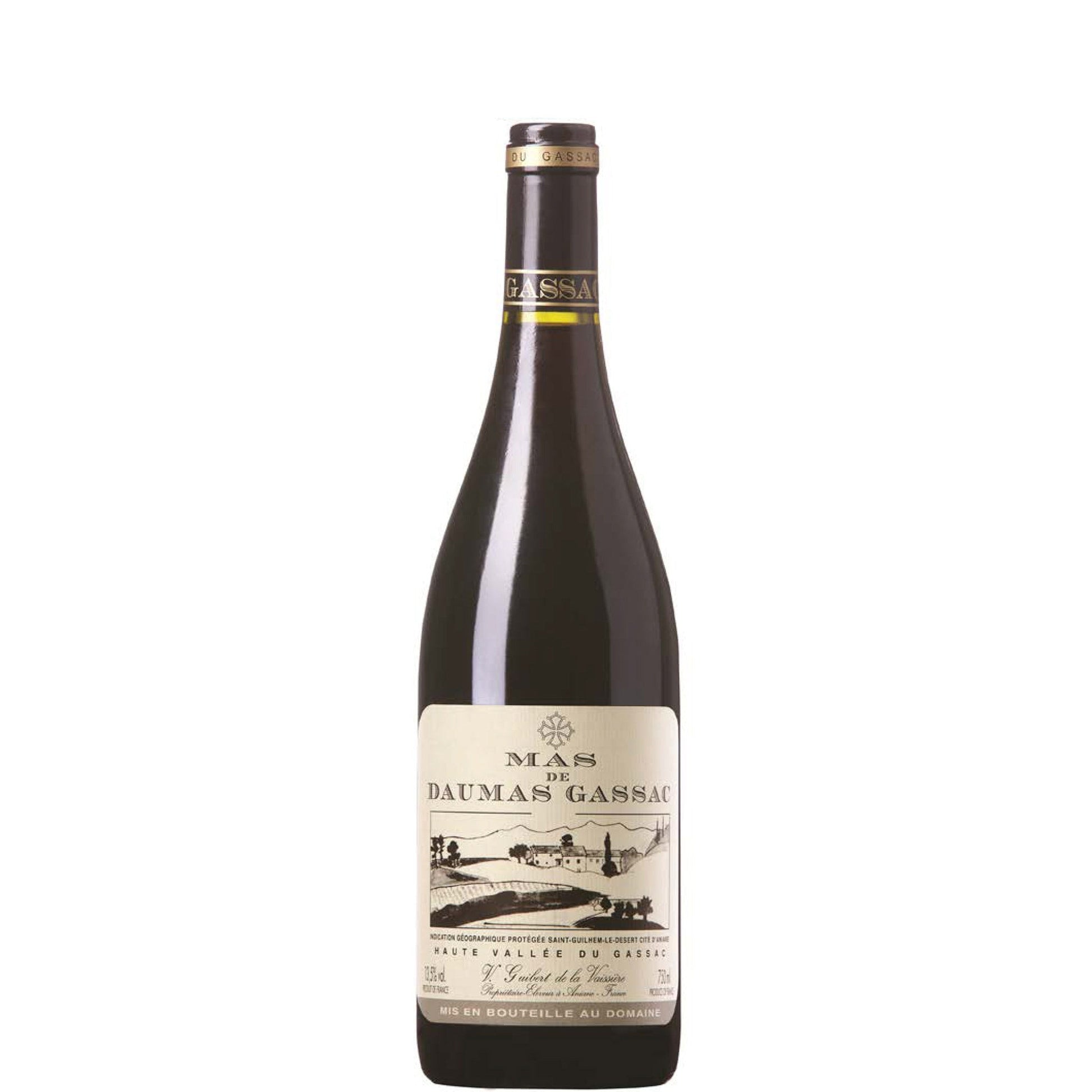
Mas de Daumas Gassac, Rouge, 2019
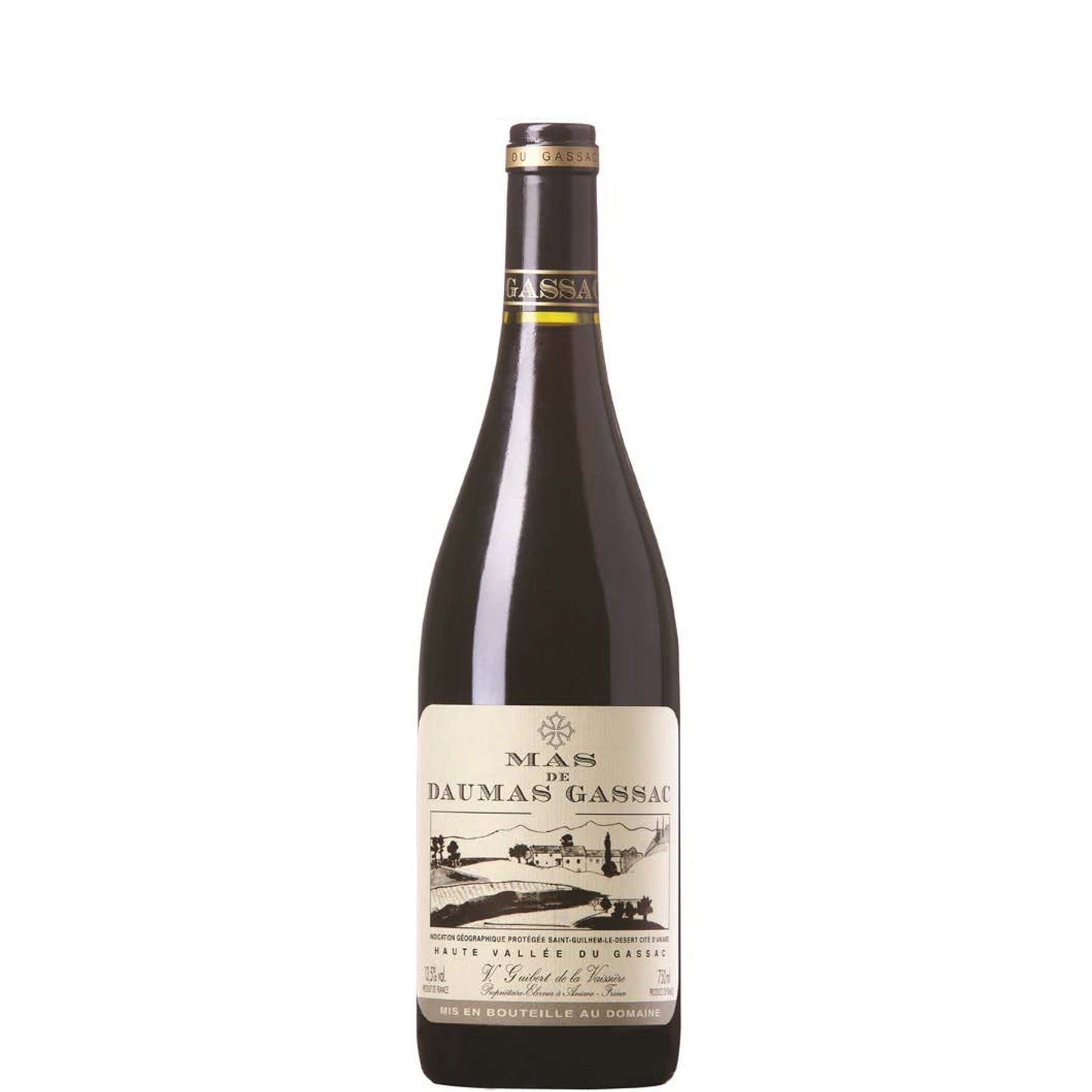
Mas de Daumas Gassac, Rouge, 2019
- 75cl
- 14%
- Red Still
- Cabernet Franc, Cabernet Sauvignon, Malbec, Merlot, Pinot Noir, Tannat
- Organic
Couldn't load pickup availability

Optimal drinking window: 2026 - 2044
About Mas de Daumas Gassac, Rouge, 2019
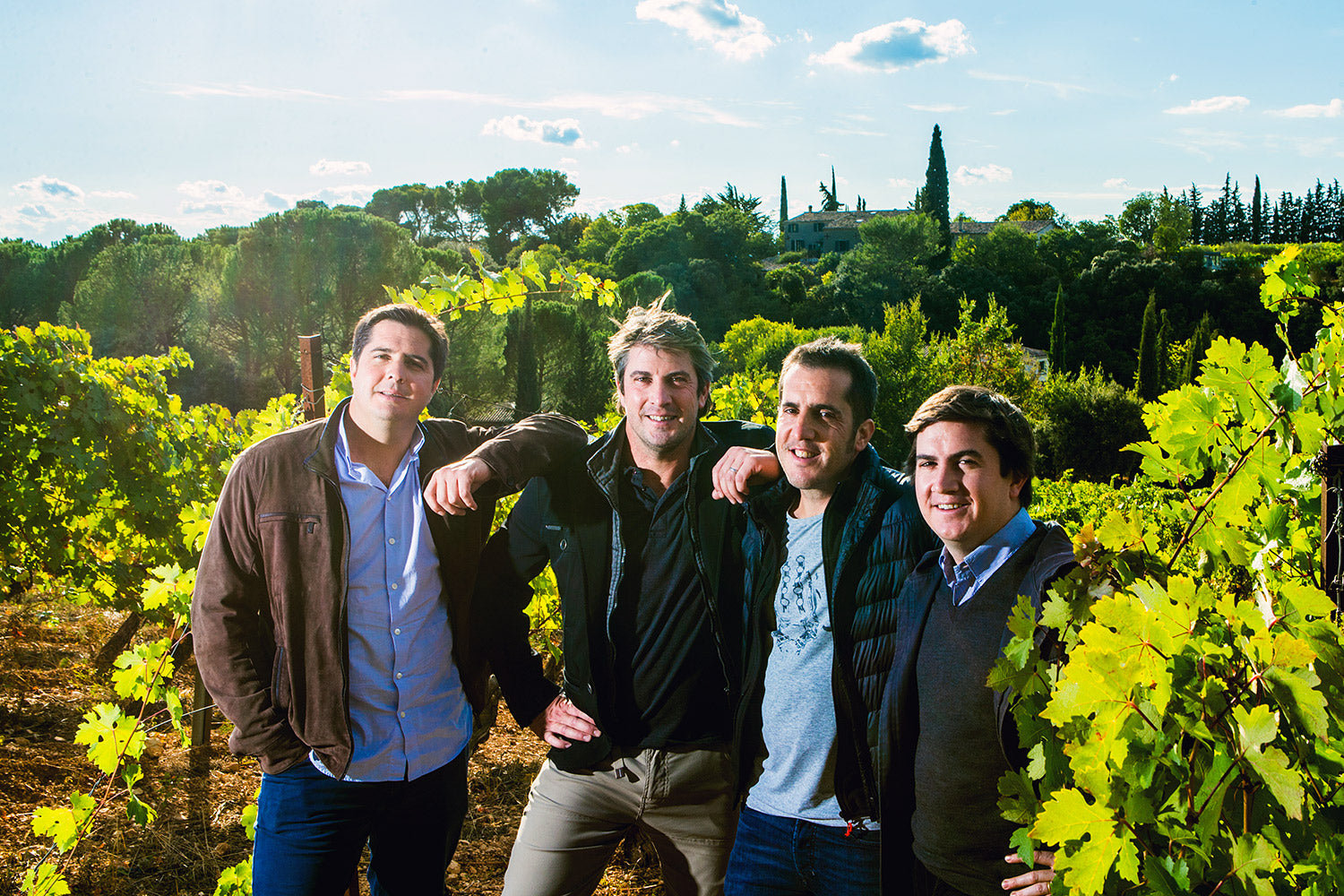
Famous for its Grands Vins, the Mas de Daumas Gassac has been a family owned vineyard for more than 40 years and belongs to the Guibert family. It is set in a wild and enchanting valley, close to the magnificent romanesque abbey of Saint-Guilhem-le-Désert. 50 hectares of a deep, well drained soil, free from any chemical fertilisers.
2019 is a racy vintage combining elegance & full power. It rolls smoothly in the mouth, leaving crisp flavours of perfectly ripened fruit, predominately blackberry & blackcurrant. Spicy with long delicate aromas & tannin lining the mouth.
The 2019 is currently showing its primary fruit character beautifully, with those bright cherry and blackcurrant flavours at their peak. Over the next 2-3 years, we expect the twenty grape varieties to knit together more seamlessly, with the herbal and mineral elements becoming more integrated. By 2028-2035, it should reach its sweet spot, where fruit, herbs, and earth achieve perfect balance. The wine will hold this plateau until the early 2040s, when the fruit will begin to fade and tertiary leather and tobacco notes will emerge.
What the critics say:
"Aromas of dark cherries, plums, dried thyme, lavender, earth and baking spices. Medium-bodied with fine tannins and crisp acidity. It shows wild-herb and floral character, layered with bright sour-cherry notes. Saline undertones, too. Vibrant finish. Exciting blend of grape varieties: 78% cabernet sauvignon, 4% merlot, 3% cabernet franc, 3% petit verdot, 3% pinot noir, 3% tannat, 2% malbec and 4% rare varieties. Drink or hold."
"The 2019 Mas de Daumas Gassac Red is similarly intricate and audacious, the Cabernet Sauvignon-based blend including twenty or so other varieties in its makeup. Soft, supple and juicy, its dark fruit leads to a distant finish that manages to be both savoury and chocolaty."
Tasting Notes
AppearanceDeep ruby with purple highlights, showing impressive concentration and youth.
NoseDark cherries and blackcurrants lead, followed by dried thyme and lavender that speak to the wild valley setting. Underneath, we find baking spices and that distinctive earthy minerality that makes these wines so compelling. The complexity builds in the glass, revealing layer upon layer of aromatic intrigue.
PalateMedium-bodied with fine-grained tannins that coat the mouth without overwhelming. The fruit is bright and juicy, dominated by sour cherries and dark berries, whilst wild herbs and floral notes add Mediterranean character. That saline undertone runs through everything, giving the wine its distinctive personality and preventing any sense of heaviness.
FinishVibrant and persistent, with the herbal and mineral elements lingering long after the fruit fades.
Overall impressionThis captures everything we love about Daumas Gassac: power without weight, complexity without confusion, and that wild Languedoc character refined into something genuinely elegant.
Food Pairings
In the Languedoc, this would be the perfect match for wild boar stewed with herbs de Provence, the wine's own herbal character echoing the rosemary and thyme in the dish. Locals might also serve it with cassoulet, where the wine's saline minerality cuts through the rich duck fat and beans. The Mediterranean influence makes it excellent with lamb grilled over vine cuttings, or the region's famous brandade de morue, where the wine's complexity matches the dish's intense flavours. For cheese, it pairs beautifully with aged Roquefort, both wine and cheese sharing that wild, untamed character of southern France.
We think this wine would go well with
Serve at 16-17°C to let those herbal aromatics sing without muting the fruit. Decanting for 30-45 minutes helps integrate the blend's various components, though it's approachable straight from the bottle. Use large Bordeaux glasses to capture the wine's complex aromatics. If you're drinking it young, a brief decant helps; if you're keeping it for a few years, it will integrate beautifully in bottle.
The estate sits in a protected valley with deep, well-drained soils that have never seen chemical fertilisers. The Mediterranean climate is tempered by altitude and the valley's natural shelter, creating ideal conditions for slow, even ripening. The terroir's wild character comes through in the wines' herbal complexity, whilst the limestone subsoil contributes that distinctive saline minerality. This unique combination allows an extraordinary range of grape varieties to thrive together, creating blends that would be impossible elsewhere.
Mas de Daumas Gassac produces under the Languedoc appellation, though their ambitions have always reached far beyond regional expectations. The Languedoc allows considerable freedom in grape selection and winemaking, which suits the Guiberts' audacious approach perfectly. Whilst most Languedoc producers focus on traditional southern varieties, Daumas Gassac proved that Bordeaux varieties could excel here with proper site selection. Their success helped elevate the entire region's reputation, showing that the Languedoc could produce wines of genuine international stature.
The 2020 vintage in Languedoc threw winemakers a curveball, starting with a relatively mild winter that gave way to a challenging spring marked by significant rainfall and cooler temperatures. Just when producers were beginning to worry about disease pressure and delayed flowering, the summer heat arrived with characteristic Mediterranean intensity, creating the sort of stop-start growing season that separates the wheat from the chaff. Harvest came later than the scorching years of 2017 and 2019, giving grapes crucial hang time to develop flavour whilst retaining the acidity that makes Languedoc wines so food-friendly.
What emerged was a vintage with real personality rather than brute force. The Syrahs show lovely spice and structure without the jammy overripeness that can plague hot vintages, whilst Grenache and Mourvèdre found their sweet spot between power and finesse. We find the reds drinking beautifully now, with enough backbone to cellar for another five to eight years if you fancy waiting. The whites, particularly those from higher altitude sites, captured a freshness that makes them absolute gems for current drinking.
FAQs
What does this wine taste like?
Dark cherry and blackcurrant with distinctive wild herbs and lavender, plus a saline minerality that makes it uniquely compelling. It's medium-bodied with supple tannins and bright acidity.
When should I drink this wine?
It's drinking beautifully now and will continue to improve until around 2044. The complex blend needs a few more years to fully integrate, but it's certainly approachable today.
What food pairs well with this wine?
Think Mediterranean flavours: grilled lamb with herbs, cassoulet, or wild boar. The herbal character makes it perfect with dishes that use rosemary, thyme, or other Provence herbs.
Should I decant this wine?
A 30-45 minute decant helps integrate the complex blend. Serve at 16-17°C in large glasses.
Is this wine worth cellaring?
Absolutely. While approachable now, it will reward patience over the next 5-8 years as the twenty grape varieties knit together into something even more harmonious.
How does this compare to Bordeaux?
It's often called the 'Lafite of the Languedoc' for good reason. Similar structure and complexity to a good Left Bank Bordeaux, but with distinctive Mediterranean herbal character and minerality you won't find in Bordeaux.
Explore related wines


What are you looking for tonight? Tell me the occasion, a grape, a region — or just try a suggestion below.
Your recommendations will appear here.
-
-
Speak to one of our Wine Gurus
Speak to a Wine GuruWith years of experience, our team can help you with all your wine buying and selling needs