

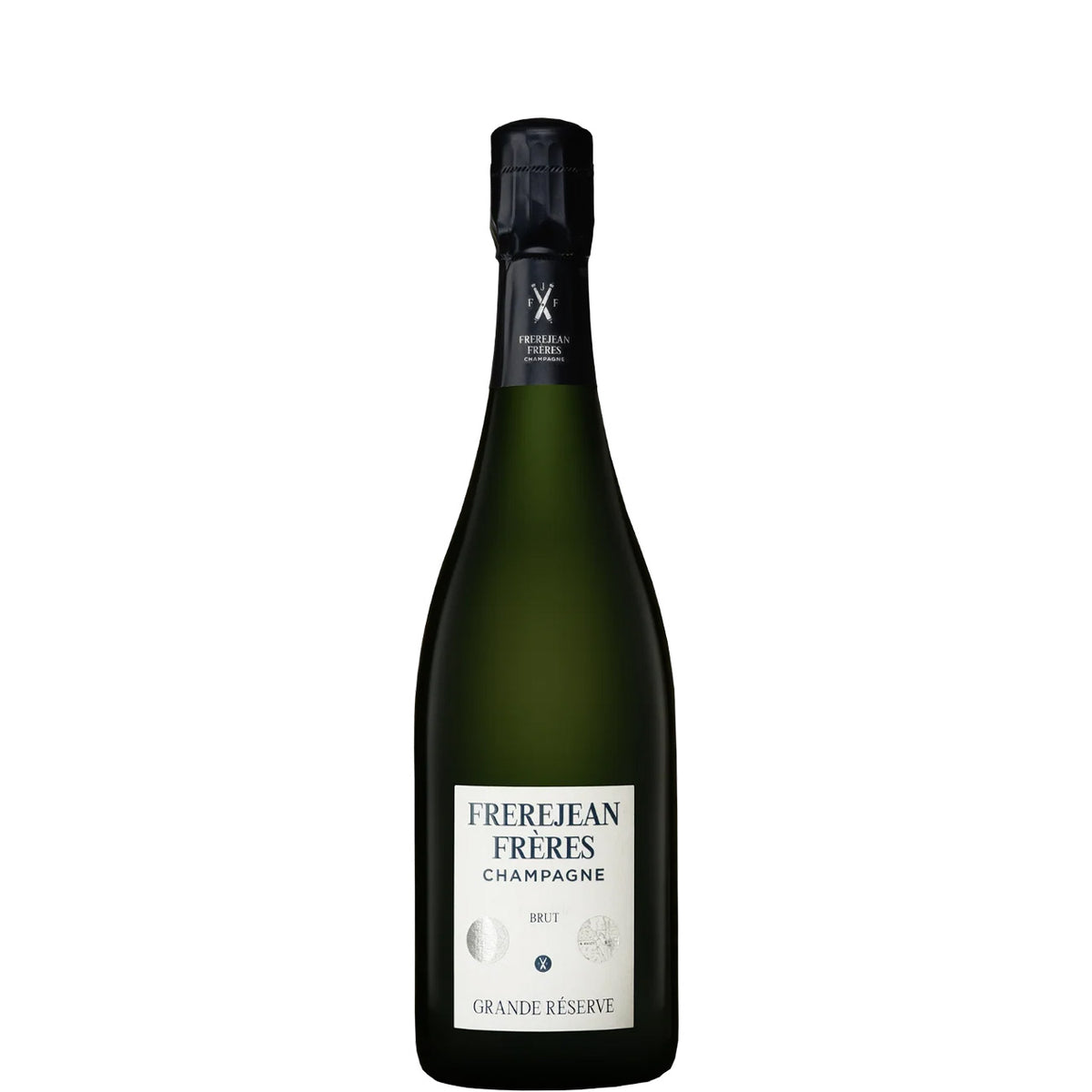
Frerejean Frères, Champagne Brut Grande Réserve, NV
Frerejean Frères, Champagne Brut Grande Réserve, NV
- 75cl
- 12.5%
- White Sparkling
- Chardonnay, Pinot Noir, Pinot Meunier
Couldn't load pickup availability

Optimal drinking window: 2026 - 2032
The Frerejean Frères Brut Grande Réserve NV is fresh and generous, with bright citrus-and-green apple aromas, a touch of white peach, and subtle floral and brioche nuances from its Champagne ageing. On the palate, it feels crisp and energetic — lively acidity carries mineral-driven freshness along with delicate stone-fruit and lemon zest flavours. The mousse is fine and persistent, giving good lift and a clean, refreshing finish with a hint of toast and minerality.
As a non-vintage Brut, it offers great value: elegant enough for celebrations, but easygoing enough for everyday moments.
Right now, the Grande Réserve in magnum is in a very comfortable place: the primary fruit is vivid, the dosage well-integrated, and the chalk-driven freshness singing. Over the next two to three years, the brioche and toasty secondary characters will begin to come forward more prominently, adding a layer of complexity to the citrus and stone fruit core. By around 2029 to 2030, the wine will likely be at its most complete, with primary and secondary flavours in real balance.
Tasting Notes
AppearancePale gold with a faint green tinge and a steady stream of very fine, persistent bubbles.
NoseWhite peach, lemon curd, and fresh brioche open things up, followed by a subtle chalky, almost flinty undercurrent that speaks clearly of the Côte des Blancs. There is a light touch of almond and dried apricot with a little time in the glass.
PalateThe mousse is creamy and well-integrated, and the acidity is present without being aggressive — more a structural backbone than a sharp edge. Flavours of lemon zest, green apple, and a little toasted hazelnut move into a mid-palate that is both fresh and satisfyingly rich.
FinishLong and mineral, with a chalky dryness that lingers and makes the next sip entirely inevitable.
Overall impressionA Champagne of real precision and generosity, and the magnum format gives it room to breathe and develop that a standard bottle simply cannot match.
Food Pairings
In the Champagne region, this style of Chardonnay-led Brut is the natural companion to the local andouillette sausage — an acquired taste but a brilliant foil for the wine's acidity. More universally, locals would reach for a plateau de fruits de mer: oysters, langoustines, and whelks in particular sit perfectly against the chalk-driven freshness. A simple roast chicken, ideally cooked with butter and tarragon, is another regional favourite with quality non-vintage Champagne, especially in magnum where the wine has a little more weight. Finish with a slice of local Chaource cheese, a soft, slightly tangy cow's milk fromage that matches the wine's brioche character note for note.
We think this wine would go well with
Serve at 8 to 10°C — cold enough to preserve the freshness and keep the mousse lively, but not so cold that you shut down the more interesting aromatic detail. No need to decant, though pouring into a large white wine glass rather than a narrow flute will let the wine open up and reward you with far more of what it has to offer. The magnum format means the wine will warm in the glass a little more slowly, so err on the slightly cooler side when you pull it from the ice.
The Côte des Blancs is defined by its deep beds of Belemnite chalk, which drain freely while retaining just enough moisture to sustain the vines through dry summers. This chalk is what gives Chardonnay from this part of Champagne its signature tension and mineral precision, a quality that sets it apart from the broader, more vinous Pinot-dominant styles of the Montagne de Reims. The villages of Avize, Cramant, and Oger, all of which feature in Frerejean Frères' sourcing, sit at elevations of around 120 to 180 metres on east- and south-east-facing slopes that maximise morning sun while preserving natural acidity.
Champagne is the northernmost and arguably most regulated of France's major wine appellations, its rules governing everything from permitted varieties and yields to minimum ageing periods on lees. Non-vintage Brut must spend at least 15 months on lees before disgorgement, though the better houses and growers far exceed this. The appellation's cool continental climate, marginal for viticulture, is precisely what creates the high natural acidity that makes Champagne's base wines so well-suited to second fermentation and extended ageing. Within Champagne, the Côte des Blancs is treated as the heartland of Chardonnay, its chalk-driven wines carrying a recognisable finesse that distinguishes them from the fuller, more structured wines of the Montagne de Reims.
FAQs
What does the Grande Réserve taste like?
It leads with white peach, lemon curd, and fresh brioche, underpinned by a chalky, mineral quality that is characteristic of Chardonnay from the Côte des Blancs. The mousse is creamy and the finish long and dry. It is precise and generous in equal measure.
Why buy this in magnum rather than a standard bottle?
The magnum format slows the ageing process, meaning the wine retains its freshness for longer and develops greater complexity over time. It is also, frankly, the right format for a dinner party — both practically and as a statement of intent.
When should I drink this?
It is drinking very well right now and will continue to do so until around 2032. If you are serving it at a special occasion, no need to wait — but if you have a few magnums, holding one back until 2029 or 2030 will reveal a more layered, toasty version of the wine.
What food should I serve with this?
Oysters and shellfish are the classic match, but this wine is versatile enough for roast chicken, creamy pasta, soft cheeses, and even light fish dishes. The acidity cuts through richness and the chalky finish keeps things clean.
How should I serve it?
Chill to 8 to 10°C and serve in a larger white wine glass rather than a narrow flute — you will get far more from the aromas that way. No decanting required.
Who are Frerejean Frères?
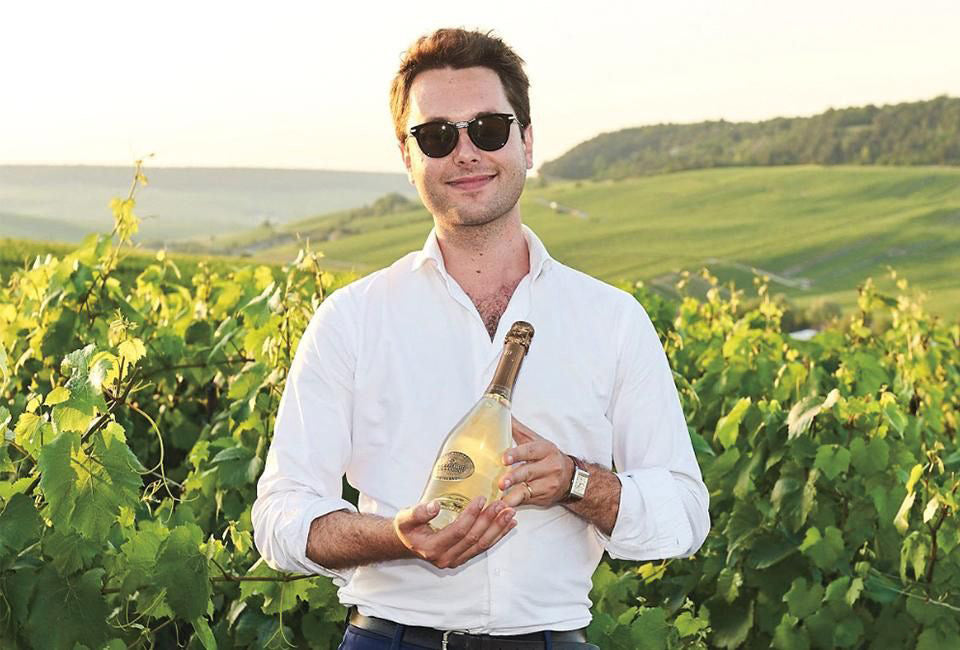
A family house re-founded in 2005 by brothers with deep roots in the Côte des Blancs, tracing their lineage back to a 19th-century grower dynasty. They are based in Avize and focus on Chardonnay-led, low-dosage Champagnes with a genuine sense of place.
Explore related wines


What are you looking for tonight? Tell me the occasion, a grape, a region — or just try a suggestion below.
Your recommendations will appear here.
-
-
Speak to one of our Wine Gurus
Speak to a Wine GuruWith years of experience, our team can help you with all your wine buying and selling needs