

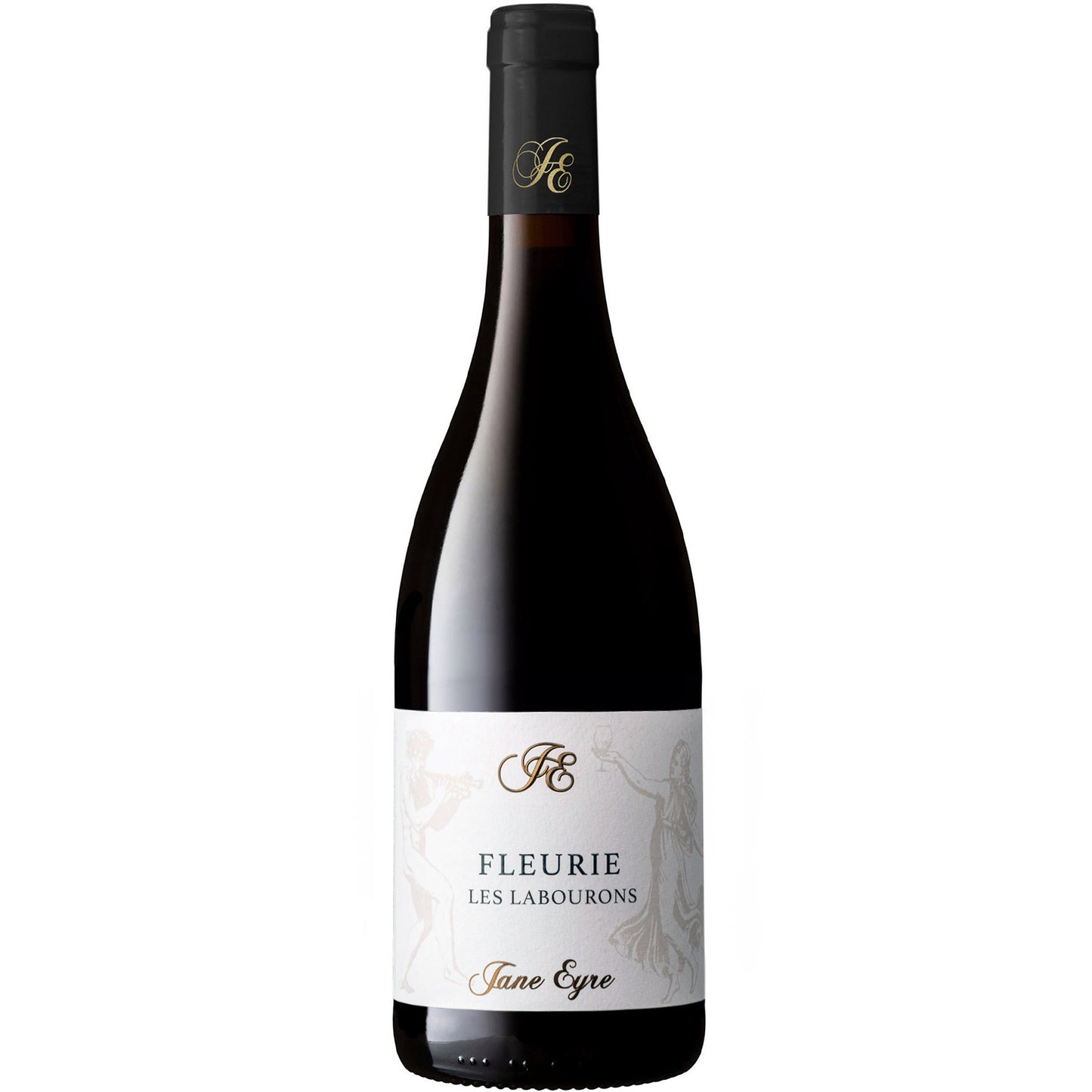
Fleurie 'Les Labourons', Jane Eyre, 2024
Fleurie 'Les Labourons', Jane Eyre, 2024
- 75cl
- 13%
- Red Still
- Gamay
Couldn't load pickup availability

Optimal drinking window: 2026 - 2030
Les Labourons is one of Fleurie's most celebrated lieu-dits, a granitic hillside that consistently produces some of the cru's most perfumed and structured Gamay.
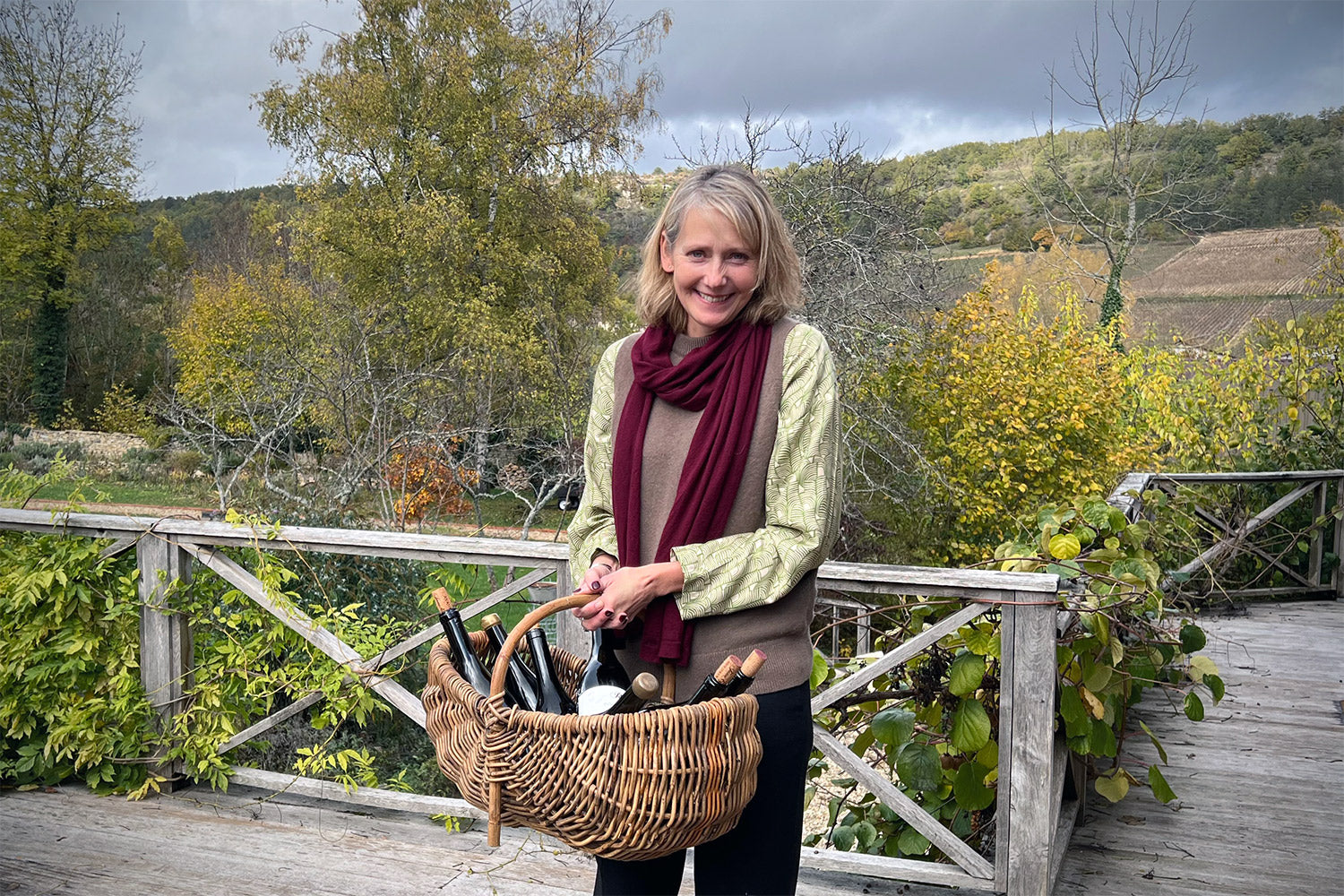
2024 could hardly suit Jane Eyre better. A cool, rain-affected year with low natural alcohols and sharply reduced volumes, it demanded obsessive sorting and restraint in the cellar. Jane delivered both. Whole-bunch use was carefully judged and varied by cuvée. In a vintage where some light-touch producers struggled to find flavour, Jane’s wines retain purity, energy, and real Pinot character.
We think this is Fleurie as it should be; not the easy, commercial version, but something with a spine. Drink it slightly cool, ideally alongside something from a good kitchen rather than a quick midweek supper.
The 2024 is drinking well right now, with its primary fruit vivid and the granite minerality clearly defined. Over the next year or two, the whole-cluster spice will knit more seamlessly into the fruit and the wine will feel even more coherent. By 2028 it should be at its most complete, with a little more savoury complexity emerging alongside the fruit.
Tasting Notes
AppearancePale, translucent ruby with a bright violet rim and excellent clarity.
NoseLifted and immediately expressive, with wild strawberry, peony, and a dusting of crushed stone. There is something almost Burgundian in its restraint — it does not shout, but it draws you in. A faint curl of spice from whole-cluster inclusion adds interest without dominating.
PalateFresh and silky in texture, with red cherry and raspberry fruit framed by the kind of saline, granitic mineral edge that Les Labourons reliably delivers. The tannins are fine but present — this is not a pushover. Acidity is bright and well-integrated, carrying the fruit through to a clean, focused mid-palate.
FinishLong and mineral, with violet and a lick of white pepper lingering pleasantly.
Overall impressionA serious Fleurie from a serious site, with the energy and definition to reward a few more years in bottle.
Food Pairings
In the Beaujolais region, this style of Gamay is the natural partner to the local charcuterie tradition — rosette de Lyon, saucisson, and rillettes eaten without ceremony at the table. The Lyonnais bouchon culture that sits just north of Beaujolais leans into dishes like quenelles de brochet, poulet à la crème, and andouillette, all of which suit Fleurie's combination of freshness and gentle structure. Locally, it would also appear alongside a simple roast guinea fowl or a plate of lentils du Puy dressed with mustard vinaigrette. It is not a wine that needs elaborate food — honest cooking from good ingredients is the brief.
We think this wine would go well with
Serve at around 13-14°C, cooler than most reds but warmer than a white — Beaujolais crus at cellar temperature is one of the simple pleasures of wine. No need to decant; the wine is open and expressive from the moment it hits the glass. A medium-sized Burgundy-style bowl is the ideal shape, giving the aromatics room to breathe without dissipating them.
Les Labourons sits on the granite-rich slopes of Fleurie, where shallow, sandy soils over decomposed granite bedrock give the wines their characteristic lift and mineral precision. The elevation and aspect provide good diurnal temperature variation, which helps preserve the natural acidity that defines the best Fleurie. Granite soils in Beaujolais are prized for producing wines with aromatic intensity and a fine-grained texture that distinguishes the crus from the broader appellation. In warmer vintages like 2024, these well-drained soils help prevent over-ripeness and keep the wine's energy intact.
Fleurie is one of the ten Beaujolais crus, and arguably the most romanticised — its name helps, but so does its consistent ability to produce Gamay of real fragrance and elegance. The appellation covers around 900 hectares of granite hillsides, with no sub-appellation structure beyond lieu-dits like Les Labourons and La Madone that producers use to differentiate their best parcels. Compared to Moulin-à-Vent, Fleurie tends toward lighter, more floral expression; compared to Chiroubles, it carries a bit more body and structure. At its best, it is the cru that most convincingly makes the case for Gamay as a variety worth taking seriously.
The 2024 growing season in Beaujolais was defined by one overriding challenge: mildew. A wet spring and persistently damp conditions through much of the summer put growers under enormous pressure, and those without the resources or conviction to spray rigorously paid a heavy price in lost fruit. Yields were down significantly across the region. The saving grace was a dry, warm September that allowed those who had held on to healthy fruit to harvest at genuine ripeness — which means the gap between the careful and the careless is wider than usual in this vintage.
What made it to bottle is, frankly, rather exciting. The Gamay that survived has real freshness and definition — vivid red fruit, lively acidity, and a tension that suits the cru wines particularly well. Fleurie, Morgon, and Moulin-à-Vent all look promising, with the structure to reward a little patience without demanding it. This is a vintage for growers who farmed impeccably, so producer selection matters more than usual. Most crus are drinking well now and should hold comfortably until 2027 or 2028; the more serious Morgon and Moulin-à-Vent examples will reward another year or two in the cellar.
FAQs
What does this wine taste like?
Silky and aromatic, with wild strawberry, cherry, peony, and a clean mineral edge from the granite soils of Les Labourons. It has real freshness and a light but present tannic grip — more precise than plump, and more interesting for it.
When should I drink this wine?
It is drinking well now and will continue to do so until around 2030. There is no pressing reason to wait, but a year or two in bottle will help the elements knit together more completely.
What food should I pair it with?
Charcuterie, roast chicken, guinea fowl, or anything from the Lyonnais bouchon tradition — quenelles, andouillette, rillettes. It is also excellent with lentil dishes and soft cheeses. Honest, unfussy food is the ideal companion.
How should I serve it?
Serve at around 13-14°C — cooler than most reds. No need to decant; pour straight from the bottle into a medium Burgundy bowl and let it open in the glass over 10-15 minutes.
Is this worth cellaring?
It will reward two to three more years in bottle, reaching its peak around 2028-2029. Beyond 2030, the freshness that makes it so appealing will begin to fade, so there is little case for holding it much longer than that.
What makes Les Labourons special?
Les Labourons is one of Fleurie's most respected individual vineyard sites, planted on granitic hillside soils that give the wine its characteristic lift, florality, and mineral precision. It consistently produces Fleurie that goes beyond the appellation's easy, commercial reputation and into something genuinely worth seeking out.
Explore related wines


What are you looking for tonight? Tell me the occasion, a grape, a region — or just try a suggestion below.
Your recommendations will appear here.
-
-
Speak to one of our Wine Gurus
Speak to a Wine GuruWith years of experience, our team can help you with all your wine buying and selling needs