

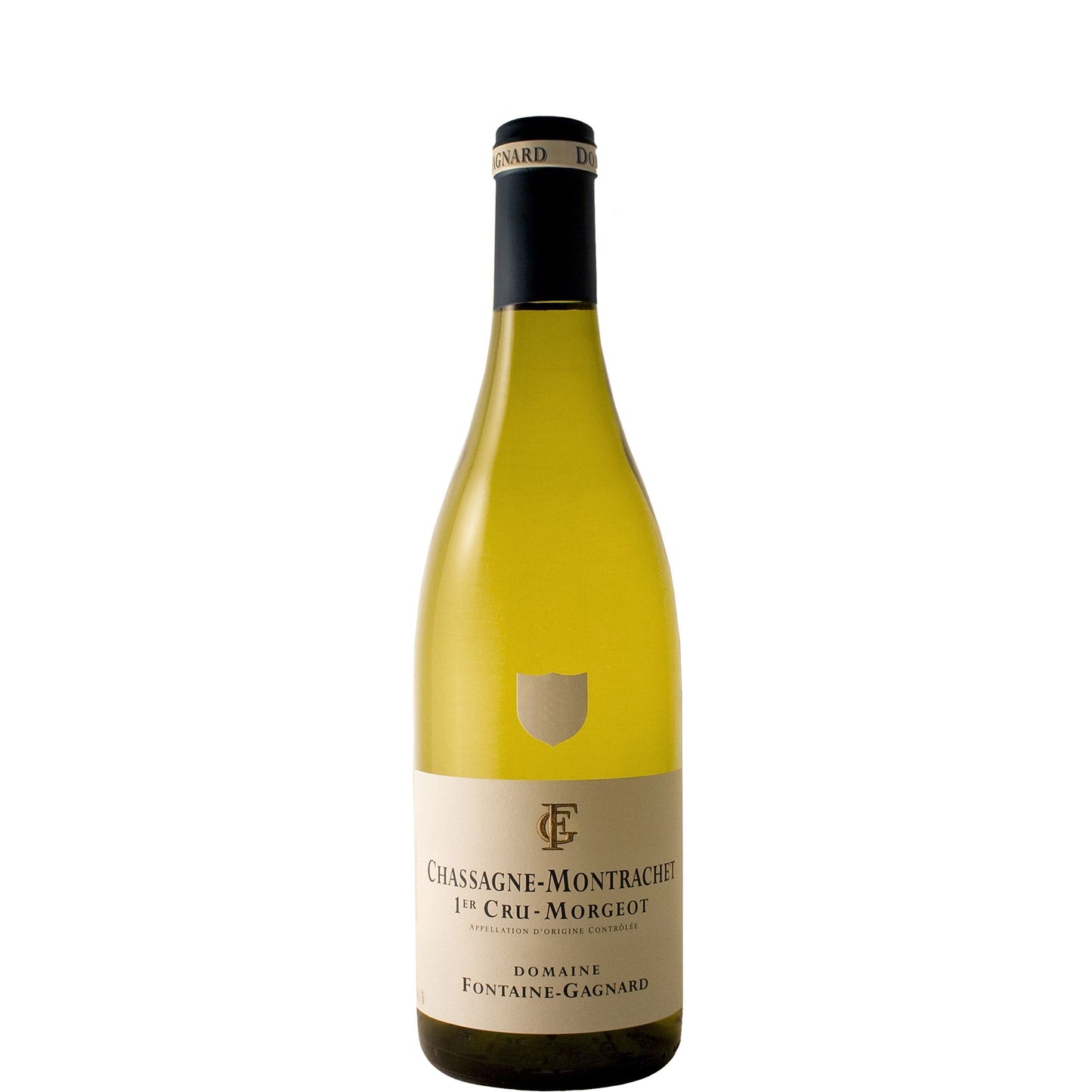
Chassagne-Montrachet Premier Cru 'Morgeot', Domaine Fontaine-Gagnard, 2024
Chassagne-Montrachet Premier Cru 'Morgeot', Domaine Fontaine-Gagnard, 2024
- 75cl
- 13.5%
- White Still
- Chardonnay
- Organic
Couldn't load pickup availability

Optimal drinking window: 2028 - 2040
Morgeot is the great workhorse premier cru of Chassagne-Montrachet, a large south-facing slope that produces some of the village's most generous and structured whites.
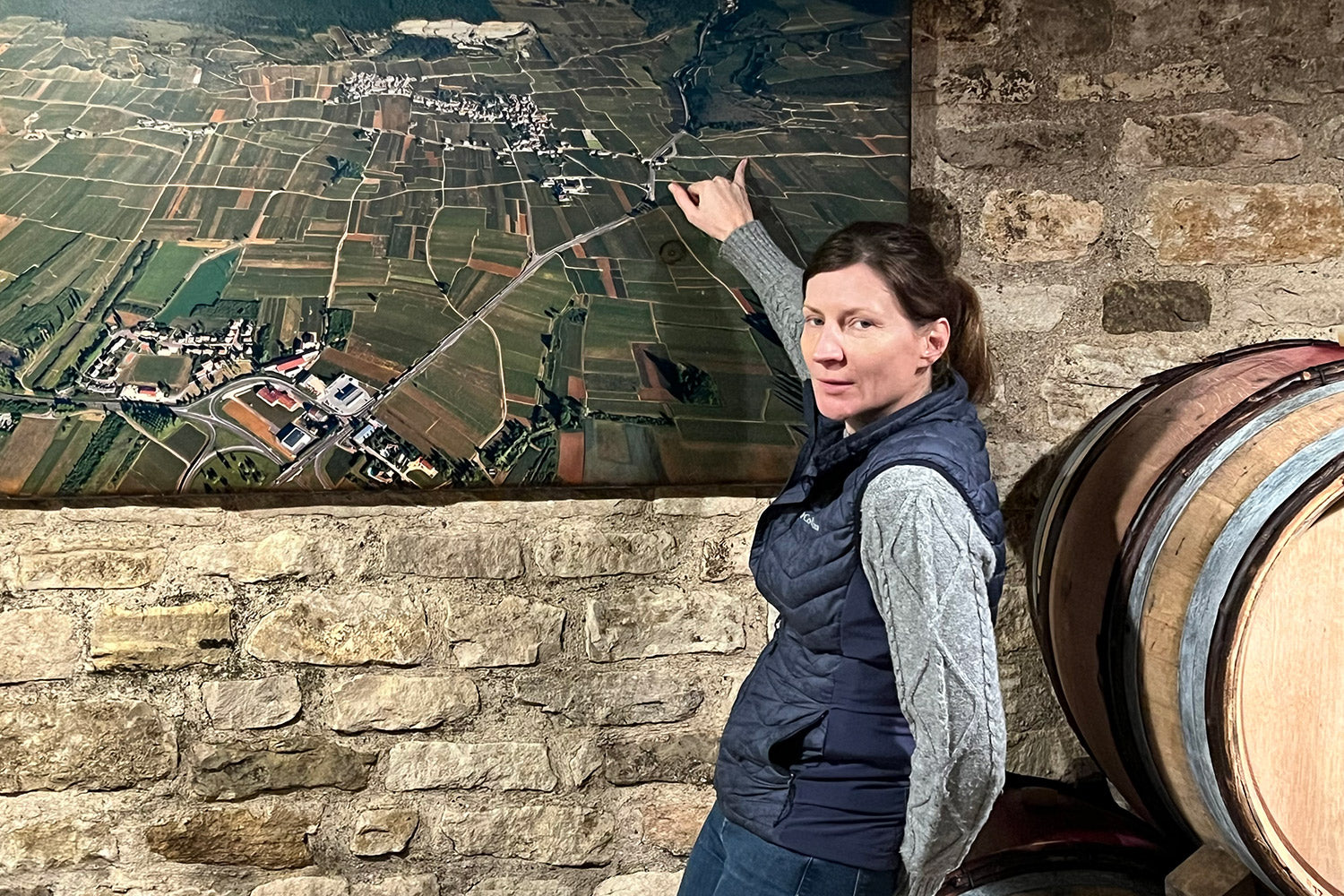
Fontaine-Gagnard is one of Chassagne’s great traditionalists, producing some of the appellation’s most complete and age-worthy wines. Farming is resolutely old-school rather than dogmatic, with a focus on balance, density and longevity over fashion. In 2024, that restraint mattered.
The vintage was hard work. High mildew pressure, early harvest beginning on 22 August, and naturally low yields around 35 hl/ha for whites and 30 for reds. A hot August pushed ripeness quickly, but September brought dilution and freshness back into play, finishing around pH 3.3–3.4. The result is a vintage of crunchy acidity, dense fruit and classical proportions, more ripe than 2013, closer in spirit to 2010, though Burgundy has changed too much for lazy comparisons.
We'd give this until 2028 before pulling the cork. Hold on, and you'll be rewarded with that seamless, nutty, mineral authority that makes Chassagne premier cru one of Burgundy's most satisfying things to drink.
Domaine Fontaine-Gagnard is one of Tim Atkin's 2024 Top 10 Côte de Beaune White Wine Producers.
What the critics say:
"This small slice of vines was planted in 1956 on the Santenay side of the climat. Céline always ages this longer due to its old vine concentration. Lighter on its feet than usual this year, there is still all of the sleek fruit and lovely crushed stone minerality at the core. Vibrant citrus, fresh herbs and yellow currants flush through the medium, noble finish, this has a noble finish."
Tasting Notes
AppearancePale gold with a bright, clean gleam and no signs of reduction.
NoseWhite peach, ripe golden apple, and a note of toasted almond that speaks to barrel ageing rather than overwhelming it. Beneath that there's a chalky, almost quarry-like quality that is pure Chassagne. The oak is present but not forward — it needs a year or two more to fully integrate.
PalateBroad and generous in the mouth, with the texture and weight that Morgeot reliably delivers. Flavours of poached pear, hazelnut cream, and a saline mineral edge run through the mid-palate. The acidity in 2024 is the defining feature — it keeps everything lifted and stops the richness from becoming heavy.
FinishLong and precise, with a lingering stony quality that stays well after the fruit has faded.
Overall impressionA wine with genuine ambition and the raw material to age — just not quite yet.
Food Pairings
In Burgundy, a wine like this is made to sit alongside a roast poulet de Bresse, ideally cooked with butter and tarragon and brought to the table with its juices. The locals might also reach for it with a gratin dauphinois, where the cream and potato starch meet the wine's richness without either one winning. A classic pairing is sole meunière, where the browned butter mirrors the hazelnut character of the wine beautifully. Comté — particularly a well-aged example with those caramelised, crystalline pockets — works extraordinarily well here too. If you're going further, a simple escalope de veau with a cream sauce is the kind of thing this wine was made to share a table with.
We think this wine would go well with
Serve at 12 to 13 degrees Celsius — cold enough to preserve freshness but not so cold that you lose the texture and aromatics. No need to decant, but do give it 20 to 30 minutes in the glass to open up, particularly in the first few years of its life when the oak is still knitting together. A wide-bowled white Burgundy glass — a Burgundy Grand Cru shape from Riedel or similar — will give it the room to breathe and show its best.
The Morgeot climat sits at the southern end of Chassagne-Montrachet, on a broad, gently sloping hillside facing south and southeast. The soils here are a mix of limestone and clay with good depth, which gives Morgeot more flesh and weight than some of the more mineral premiers crus further north towards Puligny. The elevation is moderate, typically between 240 and 320 metres, and the exposure means grapes ripen reliably and fully — contributing to the appellation's signature richness without sacrificing the structural acidity that Chardonnay needs to age.
Chassagne-Montrachet is a village on the southern end of the Côte de Beaune, most celebrated for its white wines from Chardonnay, though it also produces a significant quantity of Pinot Noir. Its premiers crus include some of Burgundy's most sought-after white wine sites, and it shares two of the region's greatest grands crus — Bâtard-Montrachet and Criots-Bâtard-Montrachet — with its neighbour Puligny-Montrachet. Compared to Puligny, Chassagne whites tend to be a little broader and richer, with more texture and less of the steely, taut minerality that defines the best Pulignys. Within Chassagne, Morgeot is the largest premier cru and arguably the most recognisable name, capable of producing wines that age gracefully for a decade or more.
The 2024 growing season in Burgundy was, frankly, a test of nerve. A wet spring brought significant mildew pressure, and vignerons who stayed sharp in the vineyard — working fast, keeping canopies open, reducing yields where necessary — came out the other side with something worth talking about. Summer brought warmer, drier conditions that helped the fruit recover composure, and harvest arrived broadly on the later side, with growers picking carefully to find phenolic ripeness without sacrificing freshness. Quantity was down across much of the Côte, which concentrates minds as much as it concentrates wine.
What emerged is a vintage that rewards those who put the work in. The Pinots we have tasted carry real precision and translucency — not because they are light, but because the acidity is lively and the fruit unforced. Chardonnays from the Côte de Beaune look particularly promising: taut, mineral, with genuine length. This is not a vintage to panic-open. Most village and premier cru reds want three to five years at minimum, with the better appellations drinking well until 2035 and beyond. The whites are more approachable now, though the best will reward patience too.
FAQs
What does this wine taste like?
Rich and broad, with white peach, golden apple, hazelnut, and a saline mineral edge that runs through the finish. The 2024 vintage brings particularly good acidity, which keeps the wine focused and lively despite its generous weight.
When should I drink this wine?
We'd hold it until at least 2028. Right now the oak and fruit are still settling into one another, and the wine hasn't quite found its stride. From 2028 onwards it will start to show the seamless, nutty complexity that makes Chassagne premier cru so rewarding, and it should drink well until around 2038 to 2040.
Is it worth cellaring?
Yes, though this is a medium-term rather than long-term proposition. Morgeot is one of Chassagne's more generous and structured premiers crus, and the freshness of 2024 gives it good foundations. A window of ten to twelve years from release is realistic and worthwhile.
What food should I serve with it?
Roast chicken with butter and tarragon, sole meunière, veal with a cream sauce, or aged Comté are all natural partners. It has enough richness to handle cream-based dishes but enough acidity to stay lively alongside them.
How should I serve it?
At 12 to 13 degrees Celsius, in a wide-bowled white Burgundy glass. No need to decant, but give it 20 to 30 minutes in the glass to open up. Avoid serving it too cold, or you'll lose the texture and aromatic complexity that make it worth drinking in the first place.
How does Morgeot compare to other Chassagne premiers crus?
Morgeot is the largest and in many ways the most approachable of Chassagne's premiers crus — broader and more generous than some of the more mineral sites closer to Puligny. It trades a little of the steely tension you find in, say, Les Caillerets for more flesh and warmth, which makes it particularly well suited to food and to medium-term cellaring.
Explore related wines


What are you looking for tonight? Tell me the occasion, a grape, a region — or just try a suggestion below.
Your recommendations will appear here.
-
-
Speak to one of our Wine Gurus
Speak to a Wine GuruWith years of experience, our team can help you with all your wine buying and selling needs