

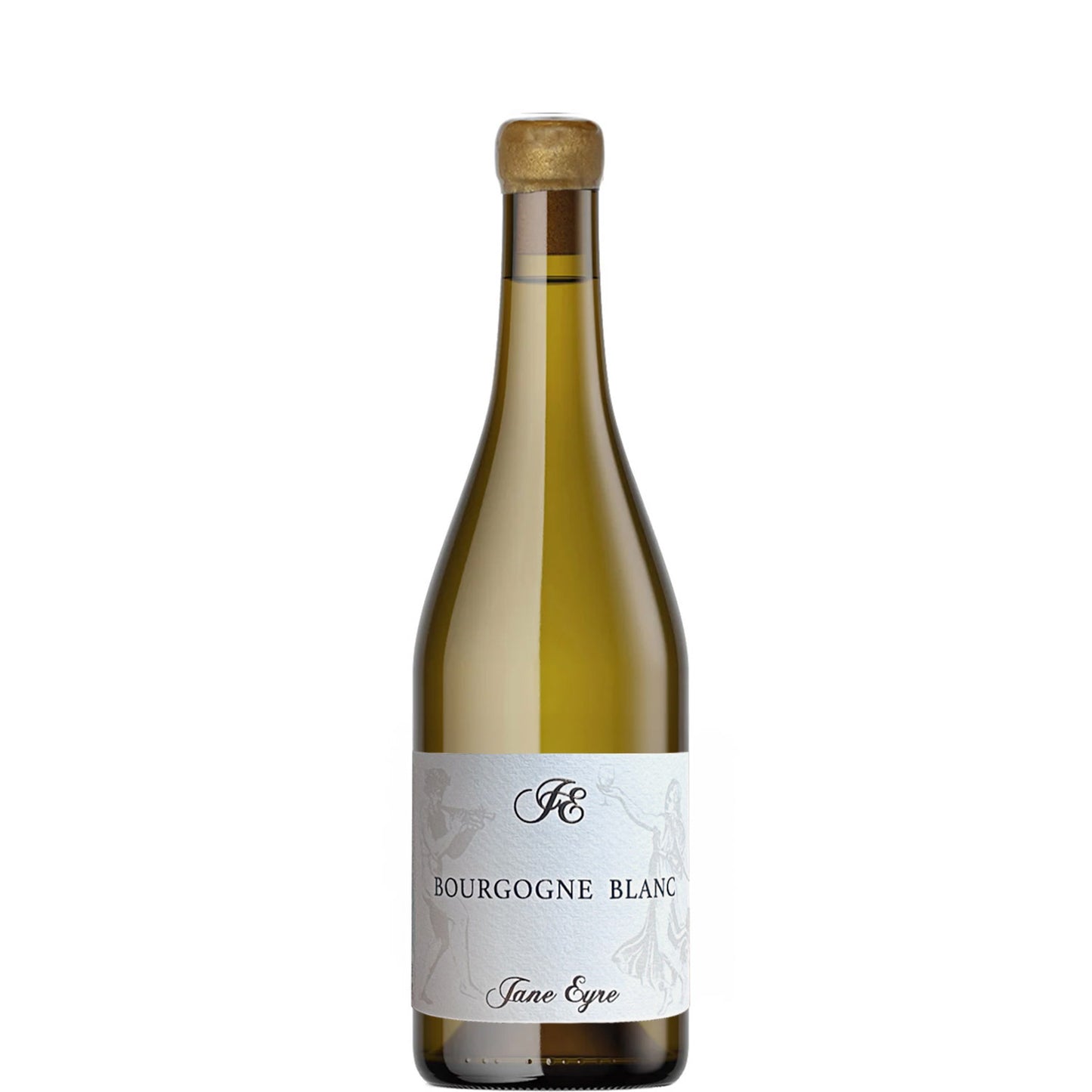
Bourgogne Blanc, Jane Eyre, 2024
Bourgogne Blanc, Jane Eyre, 2024
- 75cl
- 12.5%
- White Still
- Chardonnay
Couldn't load pickup availability

Optimal drinking window: 2026 - 2029
Bourgogne Blanc is Burgundy's entry-level white appellation, and in the right hands it is anything but an afterthought. Jane Eyre produces this Chardonnay from vineyards within the Burgundy appellation, where the focus is on freshness, clarity, and that characteristic Burgundian mineral backbone rather than weight or oak.
"Fruit from Puligny and Meursault. No new oak. Bright, open, and expressive on opening. Lemon curd notes with bracing acidity on the finish. Clean, vivid, and refreshing."
Stewart Pryce, Honest Grapes Wine Club Manager
In a vintage where some light-touch producers struggled to find flavour, Jane’s wines retain purity and energy. Barrel ageing has played a quiet but crucial role, rounding edges and knitting everything together without obscuring the transparency she prizes. These are wines that reward attention, and in cooler years like this, you truly see where they are from.
At two years old, this wine is already in its sweet spot; the primary fruit is vivid and the acidity is doing exactly what it should. Over the next year or so it may develop a little more roundness and a faint honeyed quality as the fruit integrates.
What the critics say:
Tasting Notes
AppearancePale gold with a faint green tint, clear and bright in the glass.
NoseFresh and precise, with green apple, lemon curd, and a flinty, chalky edge. There is a subtle white blossom quality that speaks to the youth of the vintage, and none of the broad, buttery warmth you would associate with new oak.
PalateLight to medium-bodied with lively acidity that keeps everything taut and focused. The fruit sits in the green-to-yellow spectrum — crisp apple, a squeeze of lemon — with a stony mineral thread running underneath. The balance is good and the texture is satisfying.
FinishClean and moderately long, with a lingering citrus zest and that quiet chalky dryness that is the hallmark of good regional Burgundy.
Overall impressionA genuinely well-made regional Burgundy that earns its place on the table without making a fuss about it.
Food Pairings
In Burgundy, a glass of regional blanc is almost inseparable from a plate of gougères fresh from the oven — the kind of thing you eat standing in a kitchen before lunch is quite ready. Locals would also pour it alongside jambon persillé, the parsley-flecked pressed ham terrine that is as Burgundian as it gets, or a simple trout meunière cooked in the local style with brown butter and capers. A young Époisses, before it reaches its full pungent maturity, would work well too. This is food-first wine, made for the table rather than the tasting room.
We think this wine would go well with
Serve at around 10-12°C — cold enough to keep the acidity bright, but not so cold that the fruit disappears. No need to decant; just pour straight from the bottle. A standard white Burgundy tulip glass with a slightly narrower opening than an all-purpose white wine glass will focus the citrus and mineral aromas rather than letting them dissipate. Drink within a couple of hours of opening.
Bourgogne Blanc as an appellation draws on vineyards spread across the Côte d'Or and its surrounds, meaning the specific soils beneath Jane Eyre's vines will vary by plot. In general, the limestone and marl subsoils characteristic of eastern Burgundy give regional-level Chardonnay its stony, mineral edge. The continental climate — cold winters, warm summers, and the ever-present risk of spring frost — keeps yields honest and acidity lively. At this level, the vintage character tends to show more plainly than in premier or grand cru sites, making 2024's cool freshness a genuine asset.
Bourgogne Blanc is the broadest white wine appellation in Burgundy, covering Chardonnay grown across the entire region, from the Côte de Nuits down to the Côte Chalonnaise and beyond. It sits at the base of Burgundy's hierarchy but should not be dismissed — many producers declassify village-level fruit into this category, and the rules simply require a minimum of 10.5% alcohol and 100% Chardonnay. Compared to village appellations like Mâcon-Villages or Saint-Véran, it carries fewer geographic restrictions but also less defined character. The trade-off is price: you get genuine Burgundian Chardonnay at a fraction of the cost of anything with a village name on the label.
The 2024 growing season in Burgundy was, frankly, a test of nerve. A wet spring brought significant mildew pressure, and vignerons who stayed sharp in the vineyard — working fast, keeping canopies open, reducing yields where necessary — came out the other side with something worth talking about. Summer brought warmer, drier conditions that helped the fruit recover composure, and harvest arrived broadly on the later side, with growers picking carefully to find phenolic ripeness without sacrificing freshness. Quantity was down across much of the Côte, which concentrates minds as much as it concentrates wine.
What emerged is a vintage that rewards those who put the work in. The Pinots we have tasted carry real precision and translucency — not because they are light, but because the acidity is lively and the fruit unforced. Chardonnays from the Côte de Beaune look particularly promising: taut, mineral, with genuine length. This is not a vintage to panic-open. Most village and premier cru reds want three to five years at minimum, with the better appellations drinking well until 2035 and beyond. The whites are more approachable now, though the best will reward patience too.
FAQs
What does this wine taste like?
Fresh and precise, with green apple, lemon, and a stony mineral character. It is light to medium-bodied, unoaked or very lightly so, with a clean dry finish. Think Burgundian Chardonnay at its most direct and food-friendly.
When should I drink this wine?
It is drinking well right now and will continue to do so until around 2029. The 2024 vintage was all about freshness and acidity, so the sooner the better — this is not a wine that rewards extended cellaring.
What food should I serve with it?
Classic Burgundian pairings work a treat: gougères, jambon persillé, trout meunière, or a simple roast chicken. It is also very good with goat's cheese, grilled white fish, or anything with a squeeze of lemon involved.
Is it worth cellaring?
Not especially. Regional Bourgogne Blanc at this level is made for early drinking, and the 2024 vintage particularly so. Enjoy it while the fruit is vivid and the acidity is lively — that is what this style does best.
How should I serve it?
Chill it to around 10-12°C and pour into a tulip-shaped white Burgundy glass. No decanting needed. It is at its best within a couple of hours of opening, so no need to save half a bottle for the following day.
What makes Bourgogne Blanc different from other white Burgundy appellations?
Bourgogne Blanc is the regional-level appellation, covering Chardonnay grown across the whole of Burgundy rather than a specific village or vineyard. It sits below village appellations like Meursault or Puligny-Montrachet in the hierarchy, which means lower prices but also less geographic precision. In the right hands — and from a quality-focused producer like Jane Eyre — it offers genuine Burgundian character at an accessible price point.
Explore related wines


What are you looking for tonight? Tell me the occasion, a grape, a region — or just try a suggestion below.
Your recommendations will appear here.
-
-
Speak to one of our Wine Gurus
Speak to a Wine GuruWith years of experience, our team can help you with all your wine buying and selling needs