

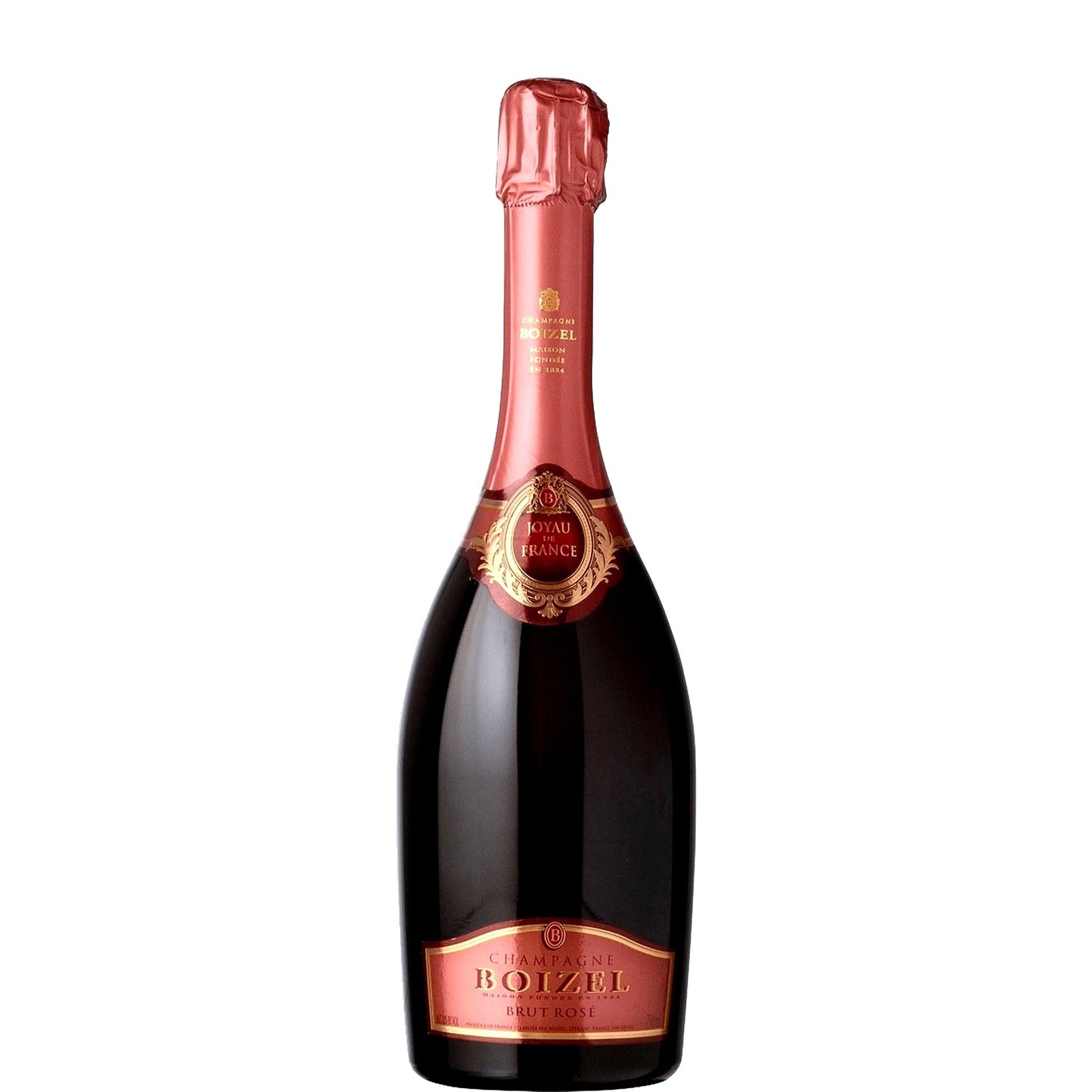
Boizel, Joyau De France Rosé, 2000
Boizel, Joyau De France Rosé, 2000
- 75cl
- 12%
- Rosé Sparkling
- Pinot Noir, Chardonnay
Couldn't load pickup availability

Optimal drinking window: 2026 - 2030
About Boizel, Joyau De France Rosé, 2000
Boizel’s Joyau de France Rosé 2000 is a rare and mature prestige cuvée that shows just how beautifully great Champagne can evolve. The nose is layered and expressive; wild strawberries, raspberry compote, dried orange peel, and rose petals mingle with notes of toast, hazelnut, and delicate spice. On the palate, it’s richly textured, with a vinous depth and silky mousse that carries flavours of red fruits, brioche, and a whisper of savoury earthiness.
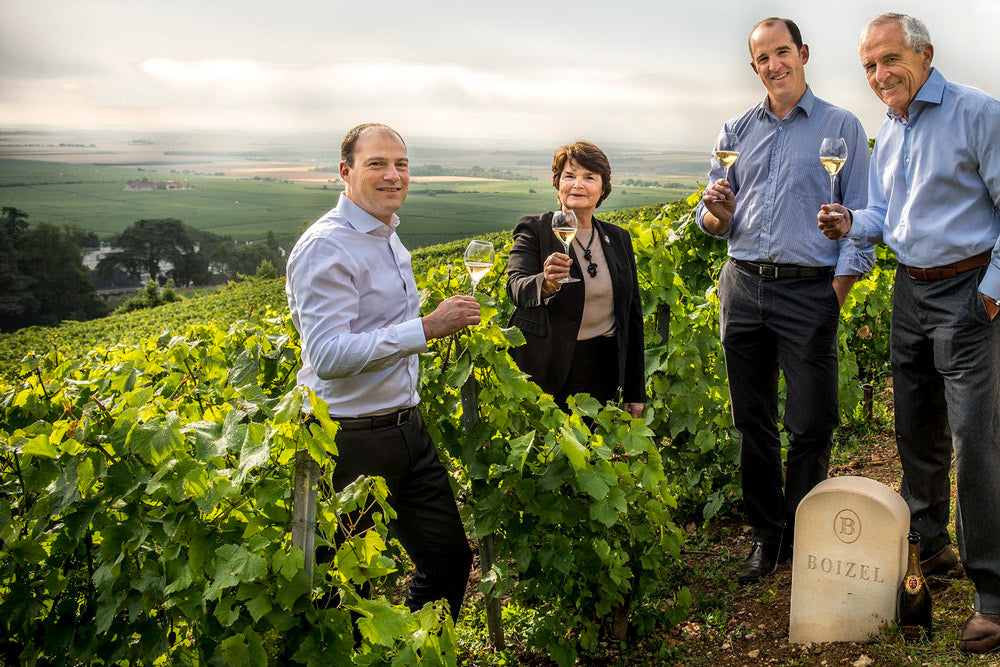
Founded in 1834, Maison Boizel is known for its elegant, terroir-driven Champagnes, with a particular emphasis on Grand and Premier Cru fruit. The Joyau de France label represents the pinnacle of the house’s range, produced only in exceptional years and designed for long ageing.
At 26 years old, this Champagne has moved well beyond its primary fruit phase into full maturity, showing the complex secondary and tertiary characters that only time can bring. The initial bright strawberry notes have evolved into deeper, more concentrated red fruit flavours, whilst extended lees contact has created the brioche and toast complexity. The wine is currently at its peak, offering the perfect balance between fruit, age, and complexity. It should hold this plateau for another 3-4 years before the fruit begins to fade, though the mineral backbone will likely persist longer. This is not a wine to cellar further - its moment is now.
What the critics say:
"This is the first year of Joyau Rosé and it shows form and freshness for a rosé Champagne that has almost a quarter century of age. It's full-bodied with lots of intensity of flavor, such as sliced strawberry, plum, earth and spice, as well as flint. It has a firm palate with solid phenolics and tension. Silky bubbles. Holding on beautifully. Drink now."
Tasting Notes
AppearanceDeep salmon pink with fine, persistent mousse and a slight golden tinge speaking to its maturity.
NoseExpressive and layered with wild strawberries and raspberry compote leading, followed by dried orange peel and rose petals. Toast, hazelnut, and delicate spice emerge with air, showing the wine's age and complexity. There's a subtle earthiness that adds depth without overwhelming the fruit.
PalateRichly textured with silky mousse that carries flavours of red fruits seamlessly into brioche and toast. The wine has gained vinous depth with age, showing firm phenolics and tension that James Suckling noted. A whisper of savoury earthiness and flint-like minerality adds complexity to the mature fruit character.
FinishLong and satisfying with lingering red fruit, spice, and a mineral persistence that speaks to the quality of the terroir.
Overall impressionA magnificent example of how great rosé Champagne can evolve, showing both power and elegance after more than two decades.
Food Pairings
In Champagne, mature rosé like this would be paired with more substantial fare than young Champagne - perhaps roasted pigeon with cherries or wild boar terrine. The locals might serve it alongside aged Chaource cheese, whose creamy texture complements the wine's richness, or with traditional coq au Champagne, where the wine's depth matches the dish's complexity. During autumn harvest celebrations, it would accompany charcuterie platters featuring boudin blanc and rillettes, the wine's savoury notes harmonising with the preserved meats. The earthy character that develops with age makes it perfect for dishes featuring wild mushrooms or truffle-scented preparations.
We think this wine would go well with
Serve at 8-10°C in proper Champagne flutes or white wine glasses to appreciate the evolved aromatics. No need to decant - simply open and pour, allowing the wine to warm slightly in the glass to reveal its full complexity. Given its age and development, drink within a few hours of opening as mature Champagne doesn't hold well once the cork is pulled. Keep the bottle chilled throughout service to maintain the delicate mousse.
The grapes come from Boizel's finest Grand and Premier Cru vineyards across the Champagne region, including sites in the Montagne de Reims and Côte des Blancs. The chalky soils and cool continental climate provide the backbone and acidity essential for long ageing. These well-exposed slopes capture maximum sunlight whilst retaining freshness, allowing the grapes to develop complexity whilst maintaining elegance. The terroir's influence becomes more pronounced with age, as the wine's mineral backbone emerges through the evolved fruit character.
Champagne AOC is the world's most prestigious sparkling wine appellation, governed by strict rules covering everything from grape varieties to riddling techniques. Only Chardonnay, Pinot Noir, and Pinot Meunier may be used, and the méthode champenoise is mandatory. The region's cool climate and chalky soils create wines of exceptional finesse and longevity. Prestige cuvées like Joyau de France represent the apex of Champagne production, typically made from the finest vineyard sites and aged for extended periods before release.
The millennium vintage in Champagne delivered exactly what the region needed after a string of challenging years in the late 1990s. A warm, dry growing season with well-timed rainfall kept the vines healthy, whilst September sunshine allowed for patient harvesting that stretched into October. The conditions were particularly kind to Pinot Noir, which achieved full ripeness without losing its characteristic freshness, though Chardonnay required more careful selection to maintain its mineral backbone.
What emerged from the cellars was a vintage of surprising substance and immediate charm. The wines show ripe fruit character without the sometimes fierce acidity of cooler years, making them accessible young yet built for the long haul. Most houses declared the vintage, and rightly so. These Champagnes are drinking beautifully now, having developed their secondary characters whilst retaining plenty of energy, and the best examples will continue rewarding patience until 2030.
FAQs
What does this mature Champagne taste like?
It shows wild strawberries and raspberry compote with layers of toast, hazelnut, and rose petals, plus a silky texture and savoury earthiness that comes from extended ageing.
Is this wine ready to drink now?
Absolutely - at 26 years old, this is a mature Champagne at its peak that should be enjoyed over the next few years rather than cellared further.
What food pairs well with aged rosé Champagne?
Its richness and complexity work brilliantly with roasted game birds, aged cheeses like Chaource, or charcuterie - more substantial fare than you'd pair with young Champagne.
How should I serve this wine?
Serve chilled at 8-10°C in proper Champagne flutes, and drink within a few hours of opening as mature Champagne doesn't hold well once opened.
What makes this a prestige cuvée?
Joyau de France is made only in exceptional years from Boizel's finest Grand and Premier Cru vineyards, representing the pinnacle of their range and designed specifically for long ageing.
How has this wine changed with age?
The bright primary fruit has evolved into deeper, more concentrated flavours, whilst extended lees contact has created complex brioche and toast notes alongside emerging mineral character.
OUR GROWERS
Boizel
Explore related wines


What are you looking for tonight? Tell me the occasion, a grape, a region — or just try a suggestion below.
Your recommendations will appear here.
-
-
Speak to one of our Wine Gurus
Speak to a Wine GuruWith years of experience, our team can help you with all your wine buying and selling needs